this post was submitted on 16 Aug 2026
50 points (100.0% liked)
Climate
9056 readers
103 users here now
Discussion of climate, how it is changing, activism around that, the politics, and the energy systems change we need in order to stabilize things.
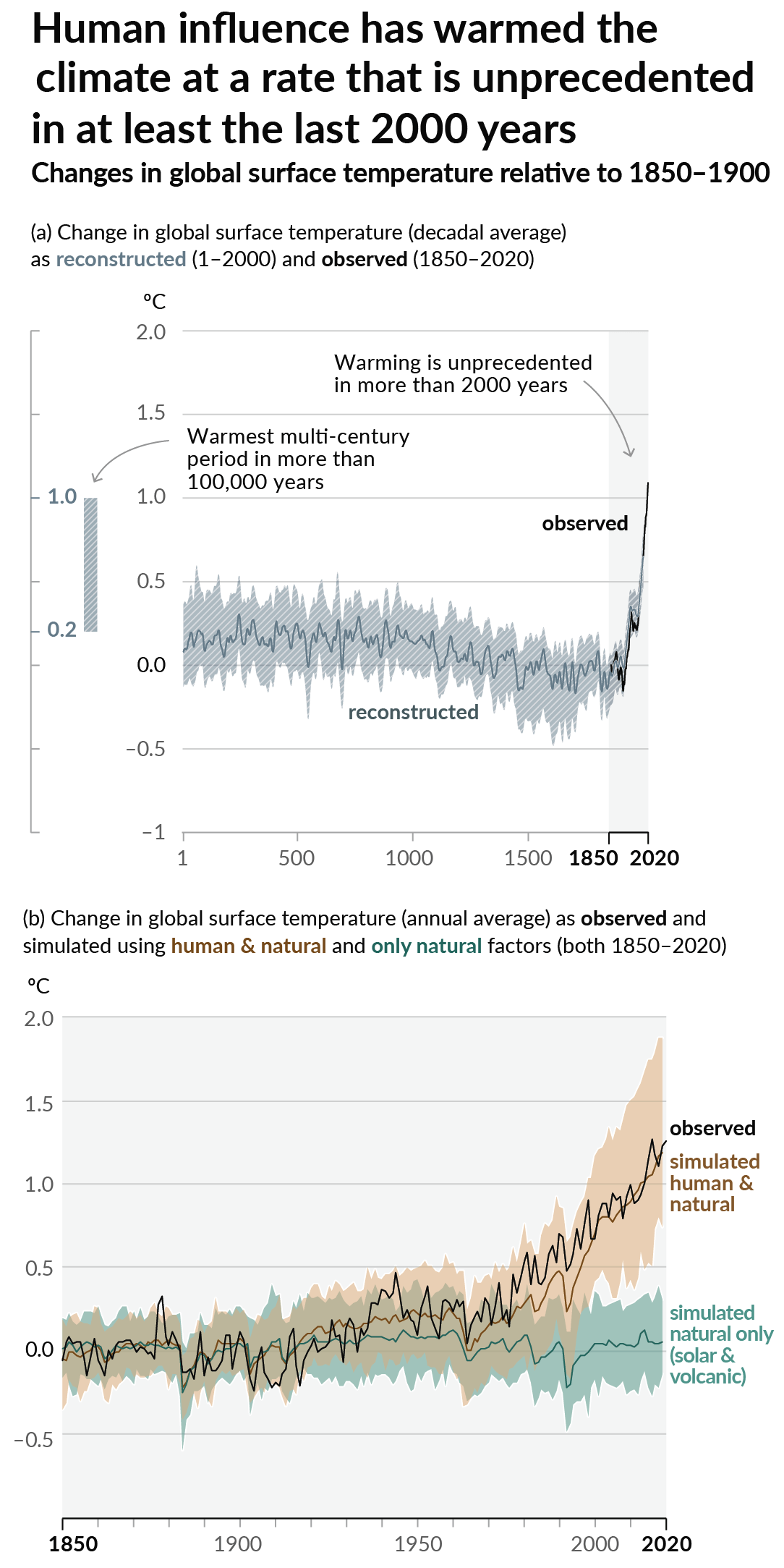
As a starting point, the burning of fossil fuels, and to a lesser extent deforestation and release of methane are responsible for the warming in recent decades:
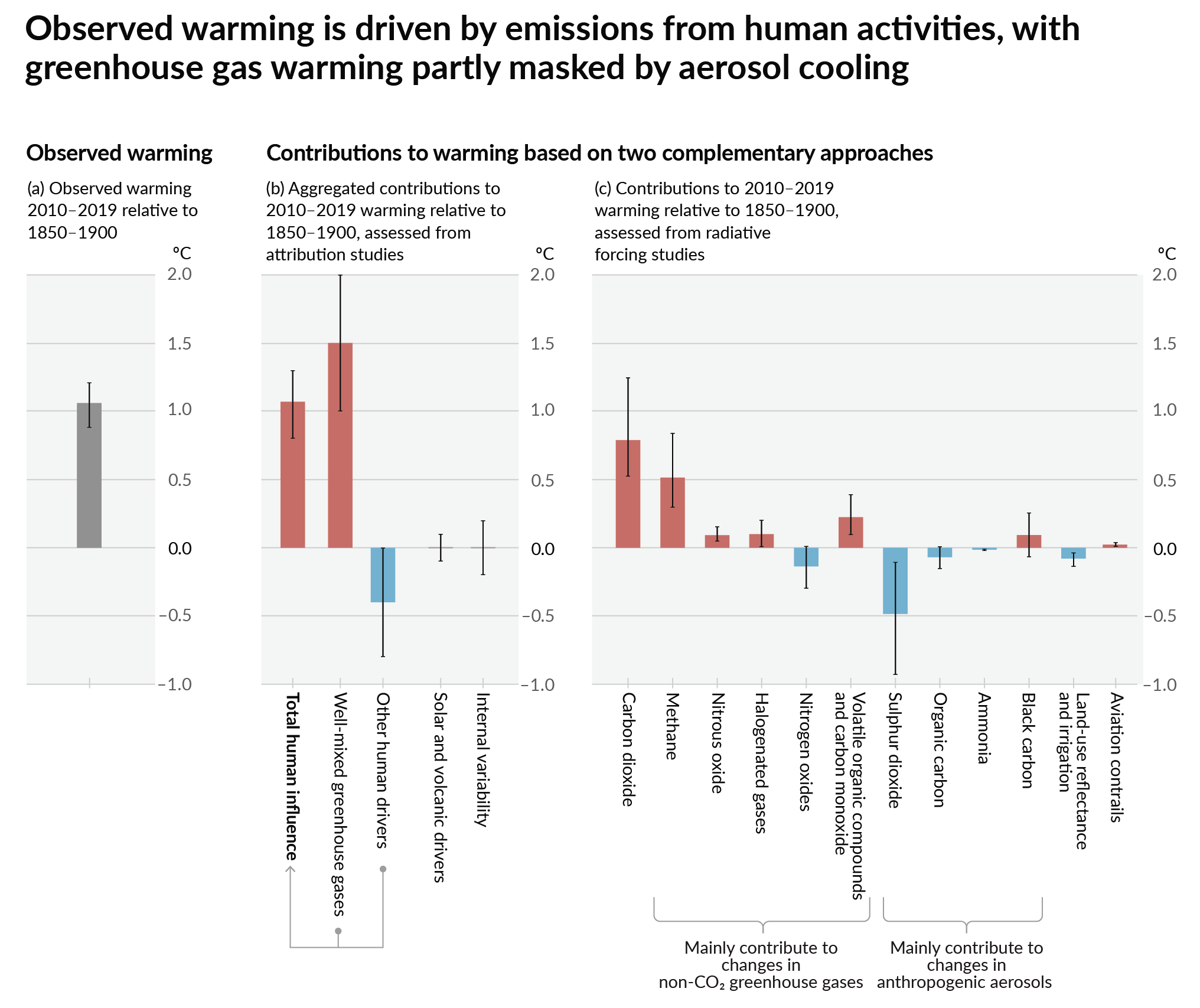
How much each change to the atmosphere has warmed the world:
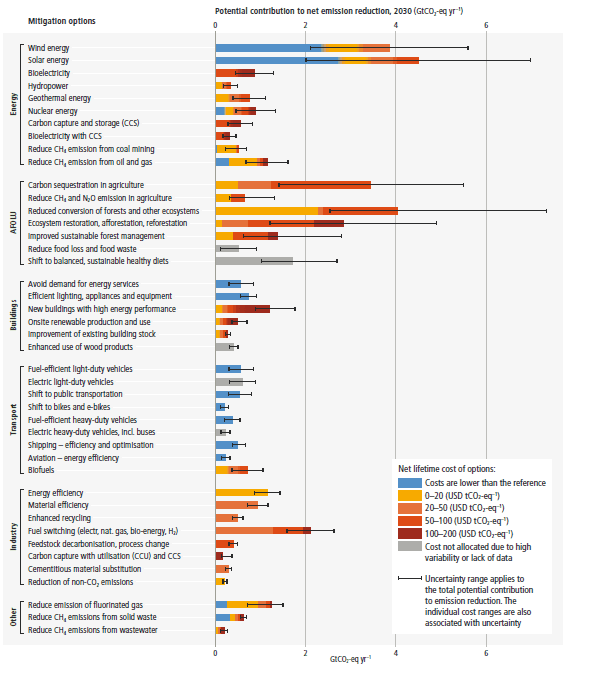
Recommended actions to cut greenhouse gas emissions in the near future:
Anti-science, inactivism, and unsupported conspiracy theories are not ok here.
founded 3 years ago
MODERATORS
you are viewing a single comment's thread
view the rest of the comments
view the rest of the comments
One point the author makes is that the data obscures a real phenomenon where switching from an inefficient fossil fuel source to an efficient renewable to do the exact same task actually already reduces the demand for energy.
For example, switching from a car that gets 30 miles per gallon to an electric that gets 3.3 miles per kWh, for a person who drives the American average of 12,000 miles per year, will switch from 400 gallons of gasoline to 3,636 kWh. The energy content of gasoline is 33.4 kWh/gallon, so that's a drop in demand from 13,364 kWh to 3,636 kWh, a 72.8% drop in energy consumption while not changing any actual behavior.
Similar analysis can be done for replacing on-premise fossil fuel combustion with heat pumps for heating buildings and heating water and cooking food. Each of these ends up bringing off-grid fossil fuel use to on-grid electricity use, so that although there is demand destruction overall, that is still an increase in demand on the grid itself, so that looking at the grid stats alone obscures a huge shift.
And the feedback loop on these accelerating changes will make for interesting, somewhat unpredictable results, if the supply chain for gasoline and diesel starts feeling economic pinch in certain places, it may further accelerate adoption and actually close down certain routes for fossil fuel supplies.
With large scale battery projects being built at record pace, where more than half of the battery capacity on US grids was built in the last 2 years (maybe less), we can expect to see the economics of solar energy also push for accelerated adoption even in the face of regulatory resistance from the Trump administration.