this post was submitted on 20 Aug 2026
137 points (99.3% liked)
Climate
8919 readers
984 users here now
Discussion of climate, how it is changing, activism around that, the politics, and the energy systems change we need in order to stabilize things.
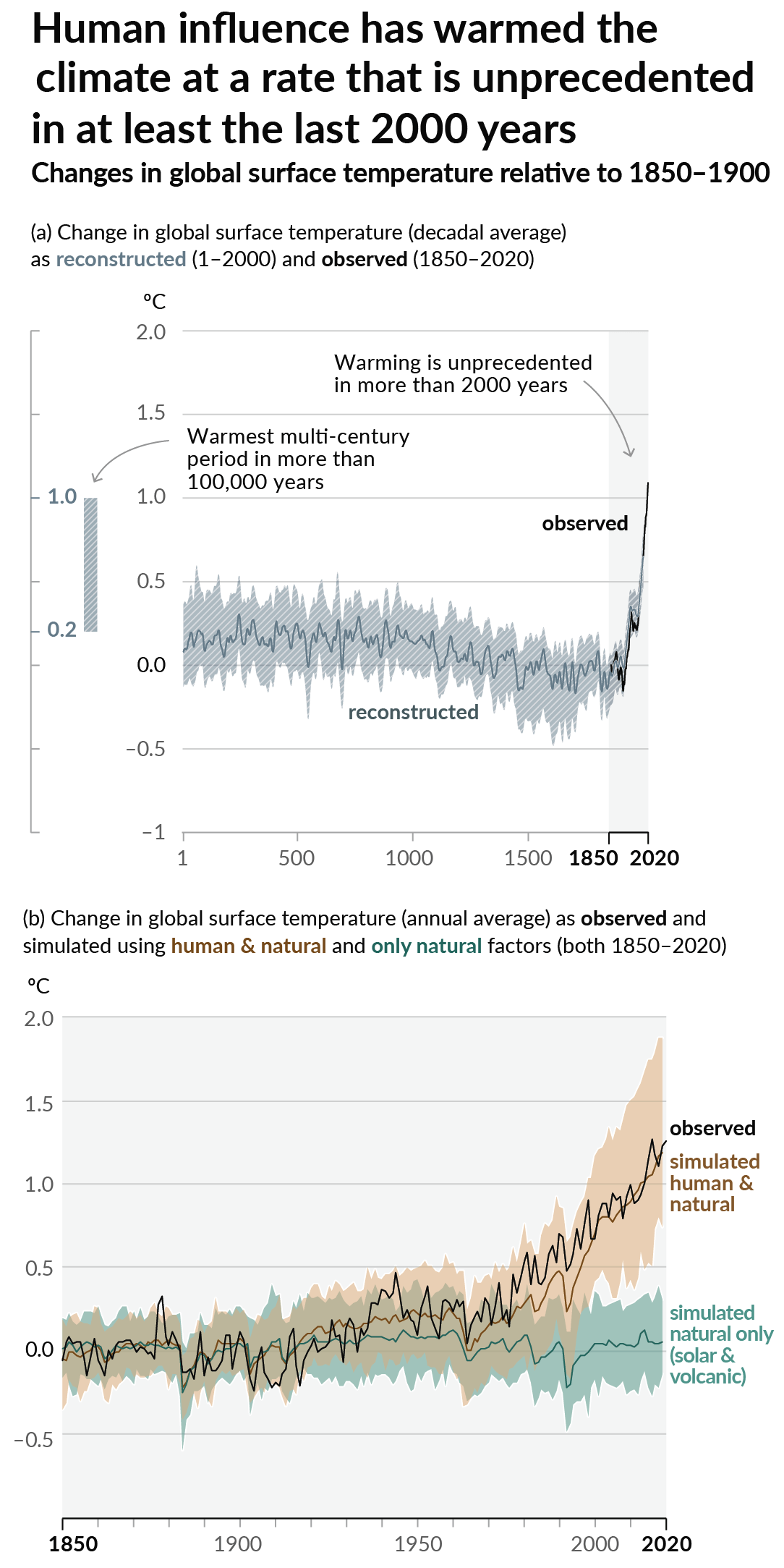
As a starting point, the burning of fossil fuels, and to a lesser extent deforestation and release of methane are responsible for the warming in recent decades:
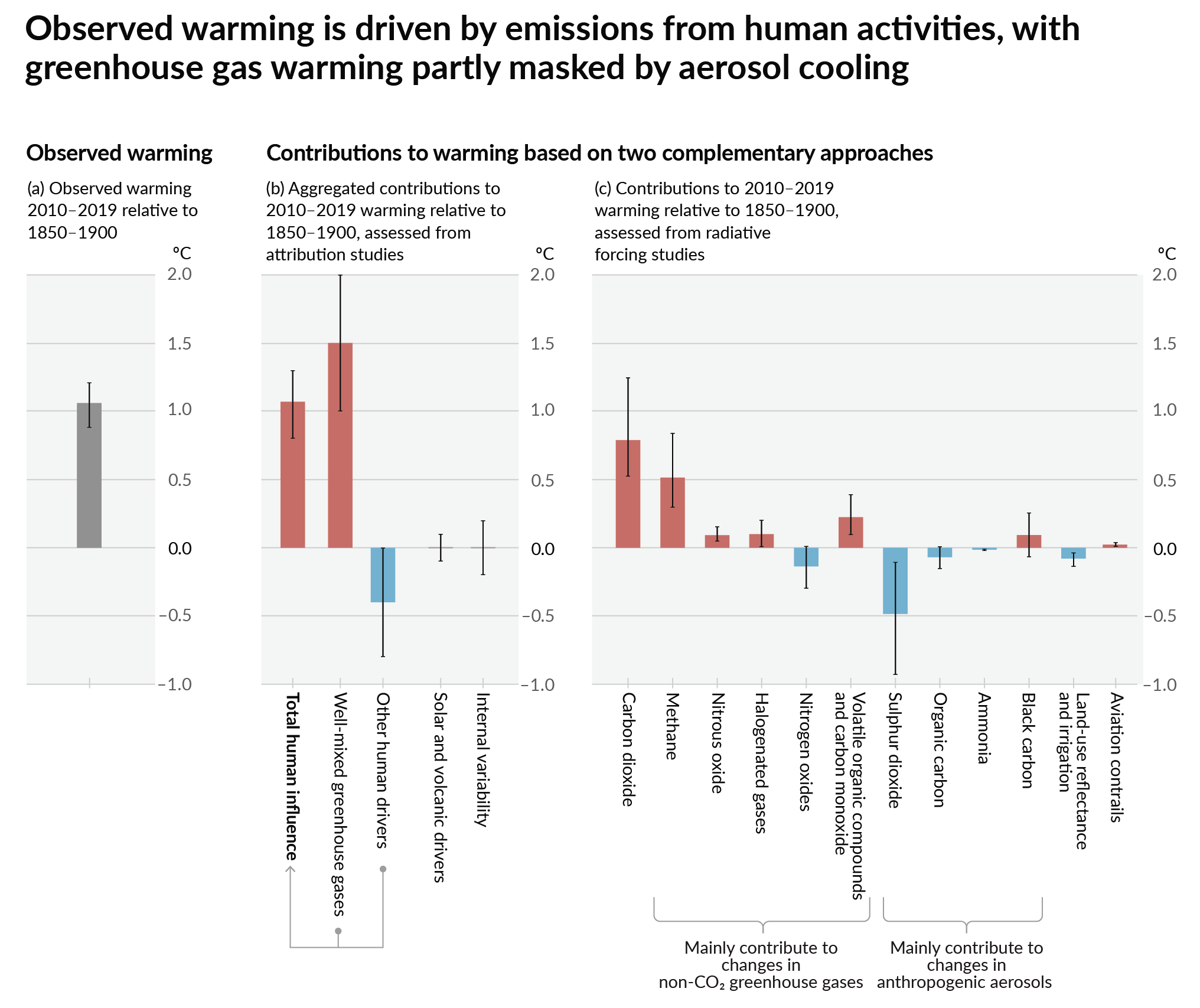
How much each change to the atmosphere has warmed the world:
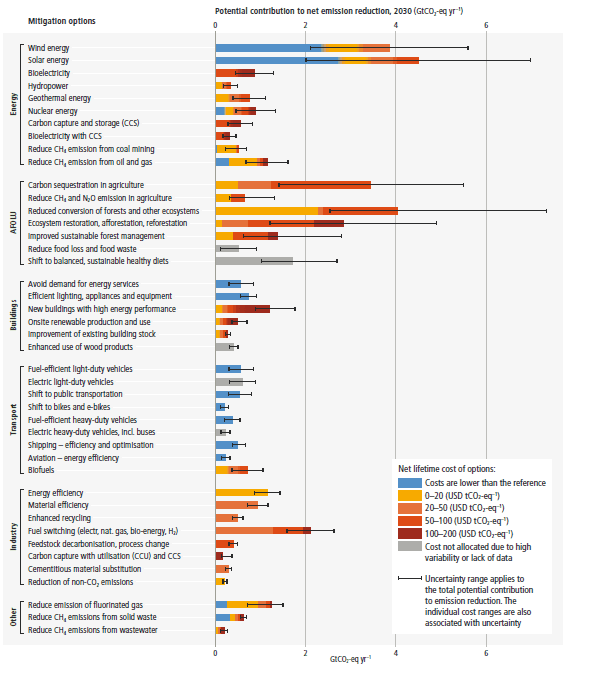
Recommended actions to cut greenhouse gas emissions in the near future:
Anti-science, inactivism, and unsupported conspiracy theories are not ok here.
founded 3 years ago
MODERATORS
you are viewing a single comment's thread
view the rest of the comments
view the rest of the comments
They've been the standard around here for my entire lifetime. I'm in my first house that doesn't have one and when the air conditioner goes I'm replacing it with a heat pump.
Air conditioner is a heat pump.
Well yes; at least where I'm from (the American southeast) an "air conditioner" will run only in one direction for cooling a space, a "heat pump" is the same technology with the addition of a reversing valve that can heat or cool the space. The HVAC technician I have on contract will understand exactly what I mean by "I want to replace my air conditioner with a heat pump." with no further elaboration.
Not all are reversible, and given they said when it goes I would assume it is an older one that can't do heating.
It is relatively new, installed in 2006 or so, alongside a condensing natural gas furnace. The furnace provides heat, the AC provides cool. It's working okay for now, when it's time to replace it I'll replace it with a heat pump system and retain the furnace for emergency and defrost.
Unless it gets very cold, probably no need to keep it. Had mine removed and I live in the UK. Not sure if there is anywhere that needs AC in summer and gets too cold for a heat pump in winter.
Not an option. Two reasons:
Emergency heat is a legal requirement. A heat pump system without a source of emergency heat does not meet the North Carolina residential building code. That law was written back when AC was newfangled and untrusted, and Raleigh (and many other state capitols) didn't want families freezing to death because a compressor motor failed.
American central HVAC systems are modular by nature, a heat pump system is designed to rely on the emergency heat system for defrost heat. Auto-defrost is accomplished by overriding the thermostat and commanding Emergency Heat ON, reversing valve to AC, compressor ON, fan ON. The ensuing sparring match between the heater and air conditioner pretty effectively defrosts the outdoor unit. And in the United States at least, by far the world's largest producer of natural gas, it's considerably less expensive to do that under methane power than electricity.
Defrost is a critical feature in my climate; winter hovers around freezing, often climbing to 1 or 2C during the day and dipping to -3 or -4C at night, and the relative humidity is ALWAYS high. Perfect icing conditions for a heat pump.
Surely a heat pump can fail just as easily as a boiler? Log burner or even a biofuel fire kinda thing would be far more suitable as an actual emergency backup.
I lived in an NC apartment complex. When the power went out, we froze. There was no emergency heat.