this post was submitted on 31 Dec 2025
408 points (98.8% liked)
Climate - truthful information about climate, related activism and politics.
7790 readers
720 users here now
Discussion of climate, how it is changing, activism around that, the politics, and the energy systems change we need in order to stabilize things.
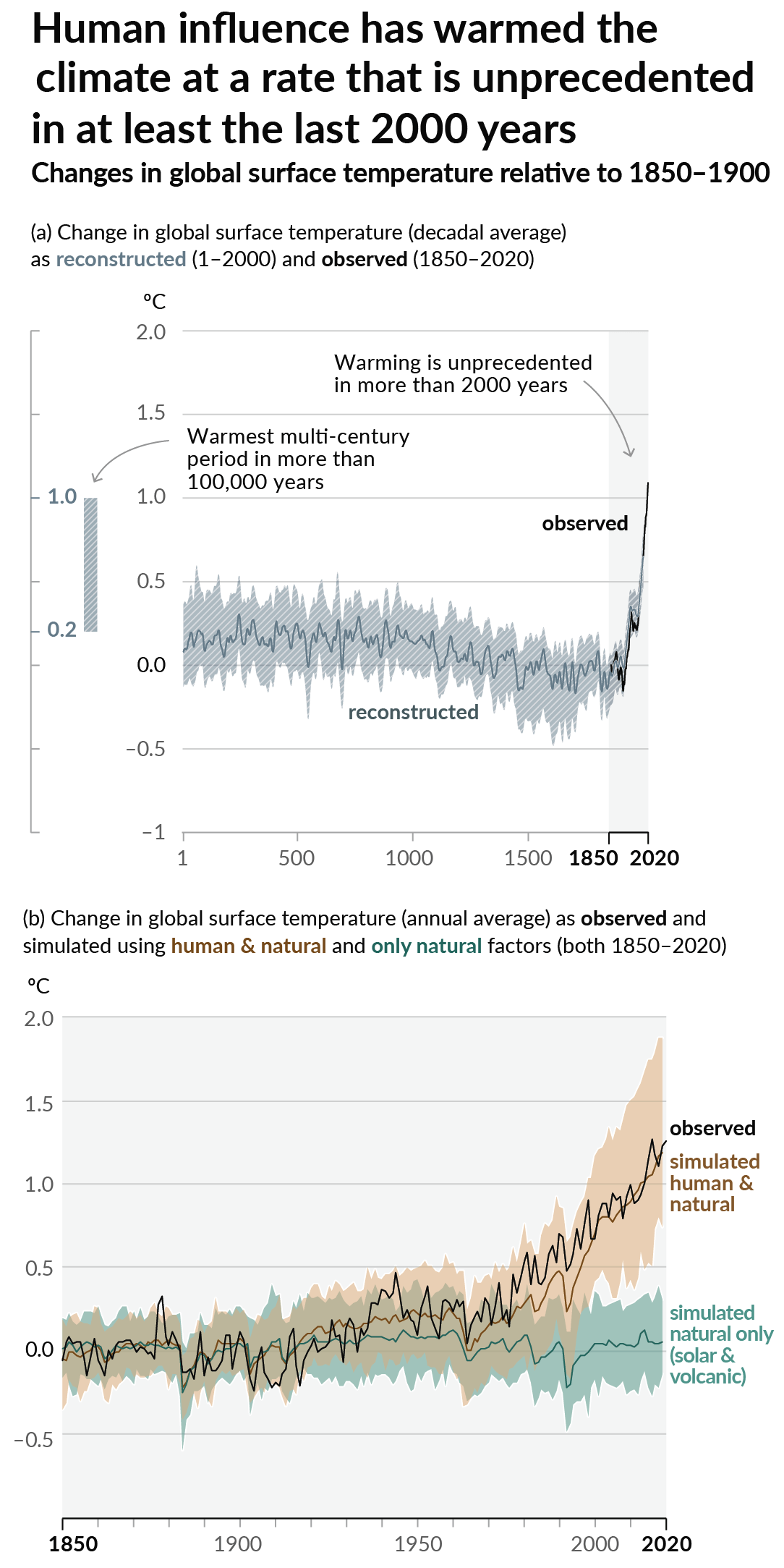
As a starting point, the burning of fossil fuels, and to a lesser extent deforestation and release of methane are responsible for the warming in recent decades:
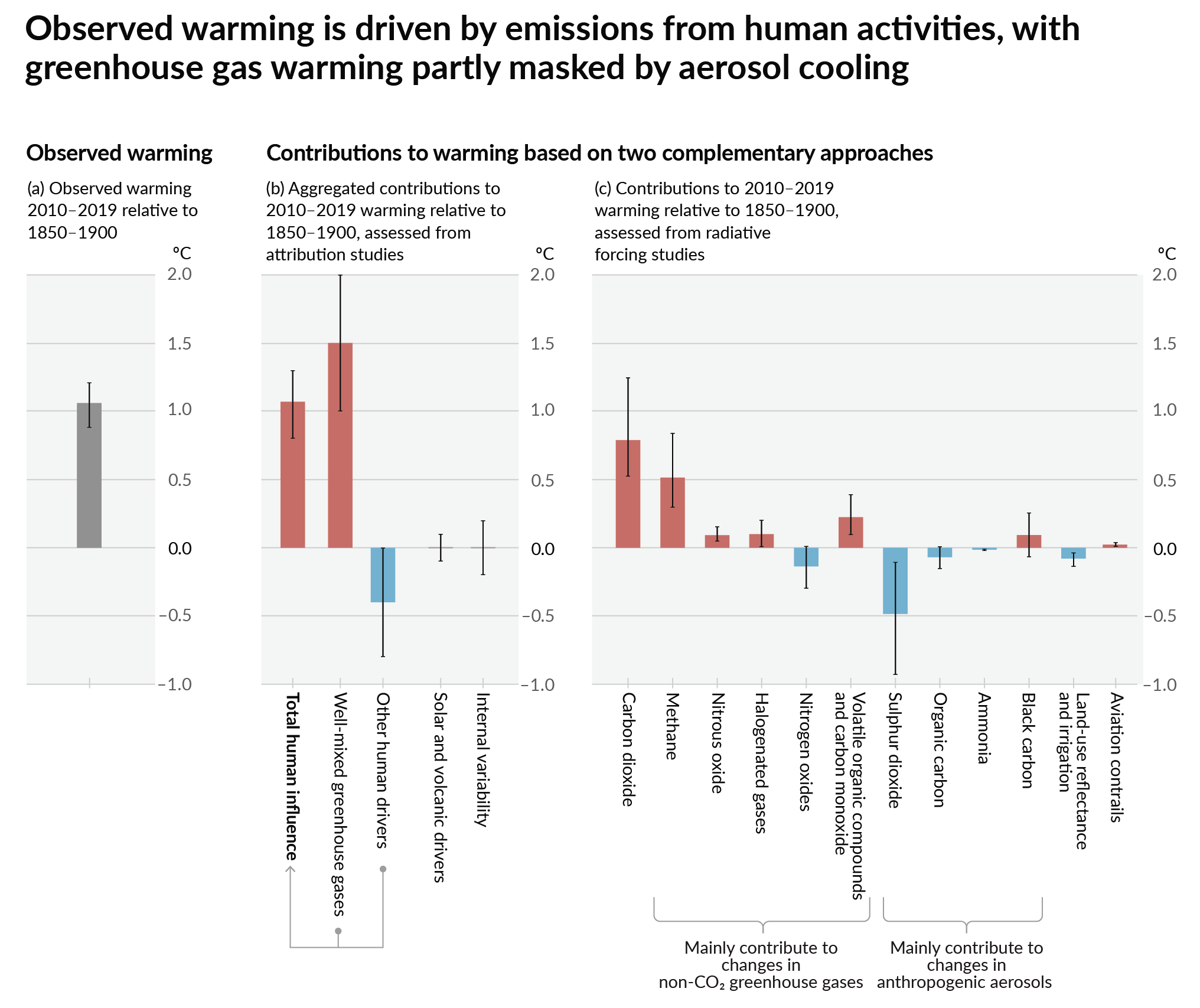
How much each change to the atmosphere has warmed the world:
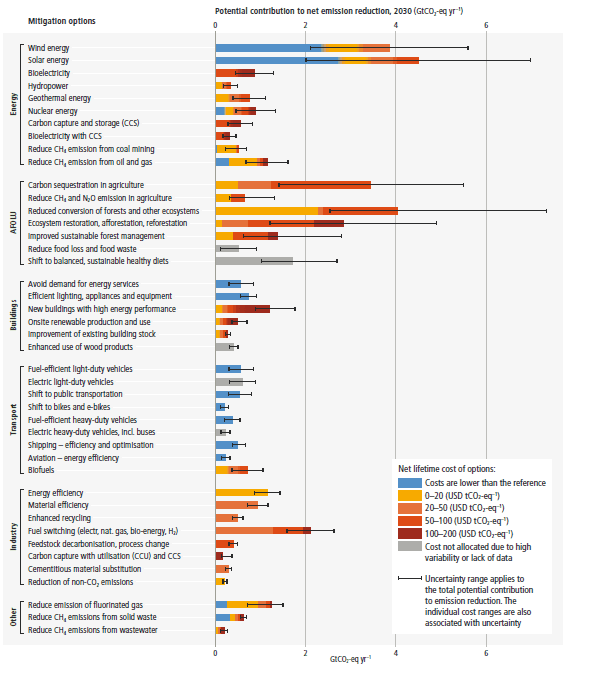
Recommended actions to cut greenhouse gas emissions in the near future:
Anti-science, inactivism, and unsupported conspiracy theories are not ok here.
founded 2 years ago
MODERATORS
you are viewing a single comment's thread
view the rest of the comments
view the rest of the comments
Those batteries can be used to provide backup power when the grid goes down.
https://electrek.co/2024/02/29/induction-ovens-with-big-batteries-solve-lots-of-problems/
I did not know this exists and I love the idea. However, the author clearly never has used an induction stove: “Because of this, they are more efficient than typical electric resistance stoves and also safer because the surface of the oven doesn’t get very hot.”
I actually thought both of those points were true.
I have induction and this is certainly true. The surface only gets heated by the pot on top. So only after a long time does it get very hot and never even close to a regular electric stove.
Okay, go ahead and touch it, if it does not get “very hot”.
That's literally one of the advantages of induction over resistive. Resistive heat an element, that heats the pot. Inductive use a magnetic field to induce a current in the pot. That electric current then heats the pot directly.
The only heat in the stovetop is either bleed back from the pot, or resistive losses, which are quite low.
Again, go ahead and touch the surface after cooking.
Wanna make a bet that I can boil some water and safely touch (for a short time) the stove top right after? I'm willing to bet a lot of money. 'cause I've done it. And because of physics.
The pot is 100 °C (because of physics), which is heating the glass. Glass is not as conductive as metal, so it's not as dangerous to touch. Touching a pot of boiling water is not pleasant, but not very dangerous if you immediately remove your hand, and touching the stove is even less dangerous than that. Completely different ball game to vitroceramic resistive heating which heats the stove itself well above boiling temperatures.
Big lol. Compares boiling water to frying. The author of the article was generally speaking. And by generally they were saying the surface does not get very hot. Yes. It does not get 800°C. But it still can and will get to 300°C. Is it less? Yes. Is it still fucking hot and causing severe burns? YES.
Stop saying it is safe, because that causes people to believe this and get harmed for no fucking reason.
Nope. Had induction. The ceramic gets just as hot, because you heat up the metal on top and the metal is touching the ceramic, thus it gets hot. Enough to cause severe burns.
Sounds like you didn't have induction but had a normal flat top stove with electric burners.
Your mom says otherwise.
I'm would not trust her to know the difference since she's never had one.