this post was submitted on 08 Apr 2026
236 points (98.8% liked)
Climate
8861 readers
271 users here now
Discussion of climate, how it is changing, activism around that, the politics, and the energy systems change we need in order to stabilize things.
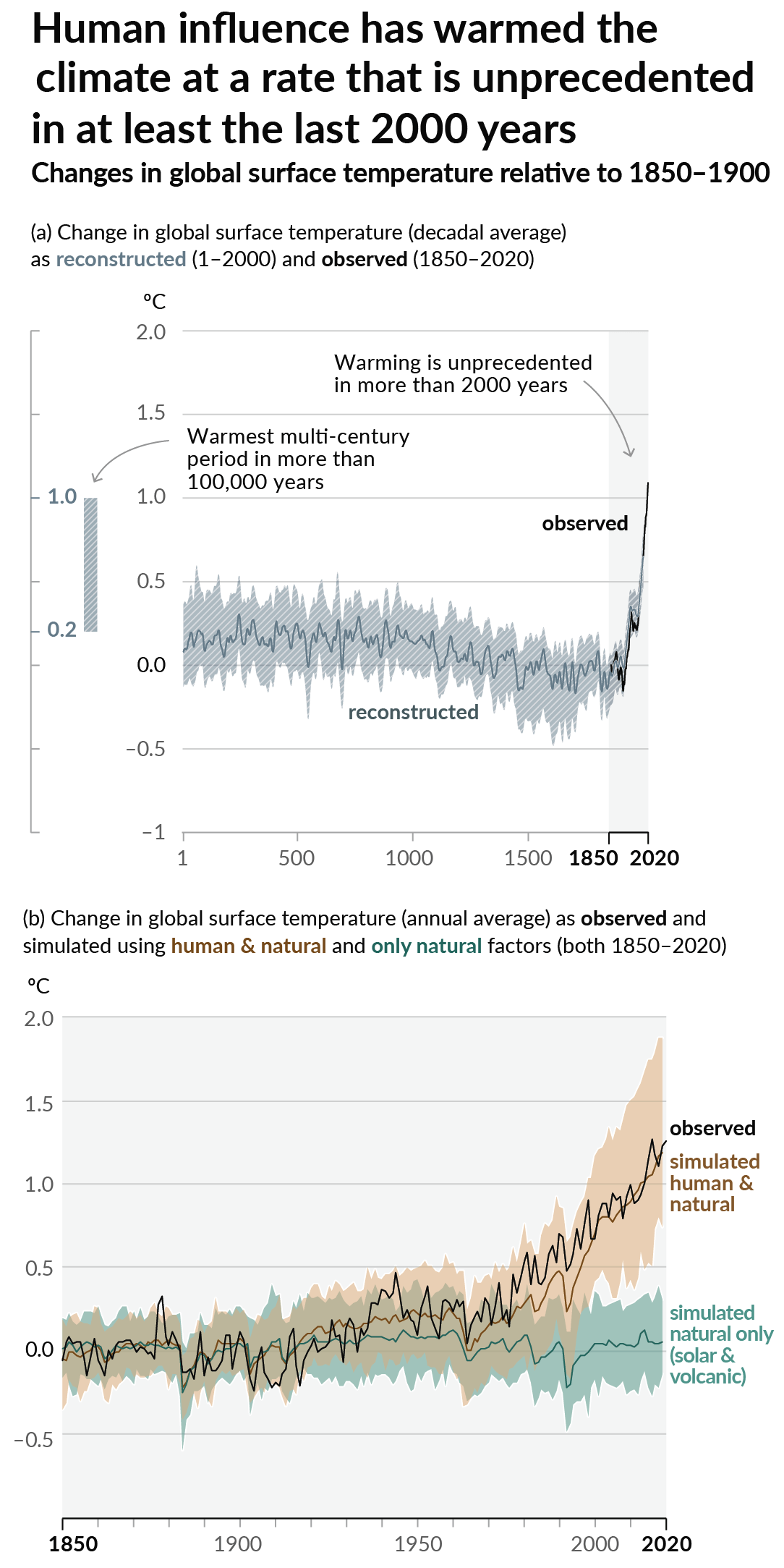
As a starting point, the burning of fossil fuels, and to a lesser extent deforestation and release of methane are responsible for the warming in recent decades:
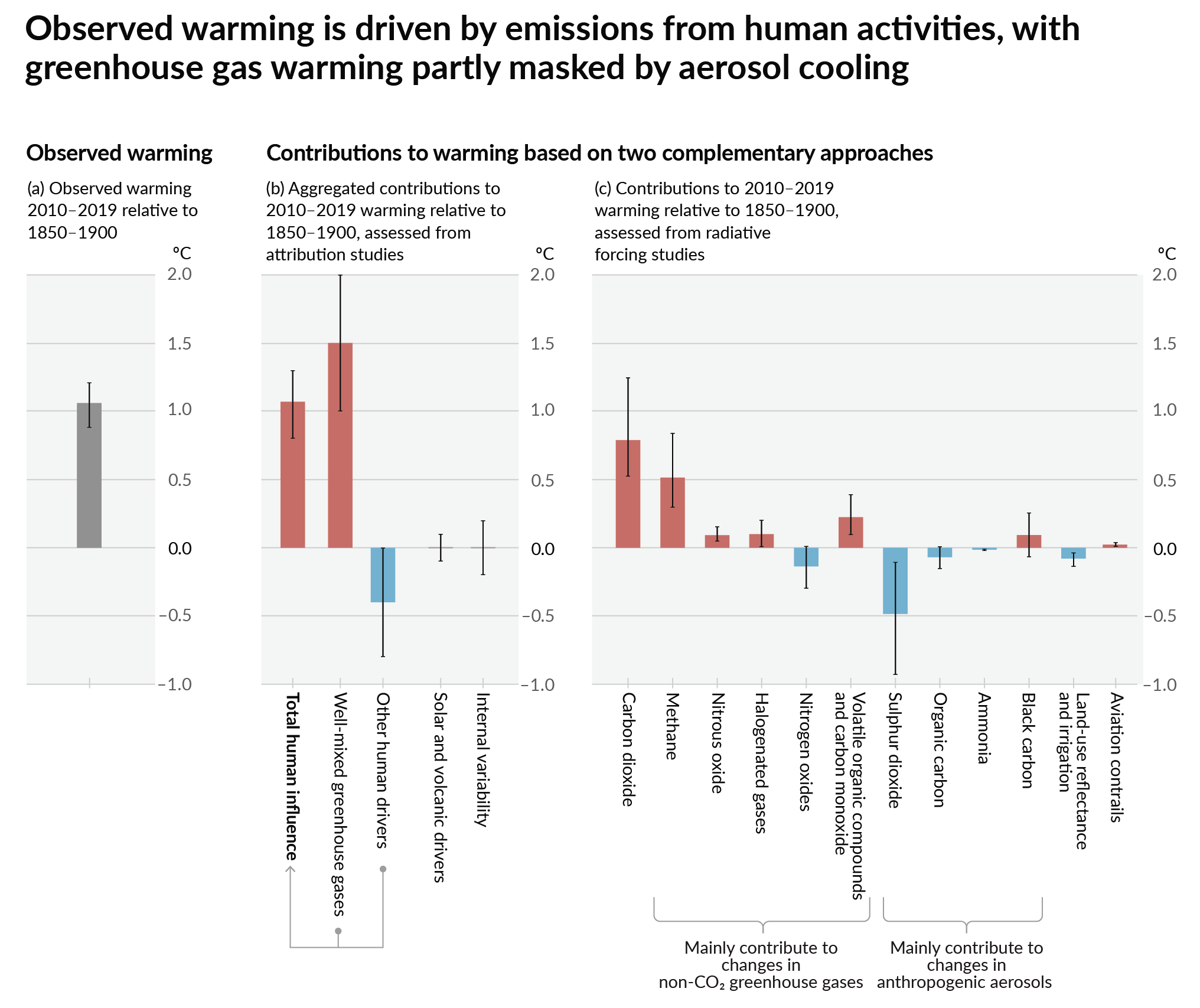
How much each change to the atmosphere has warmed the world:
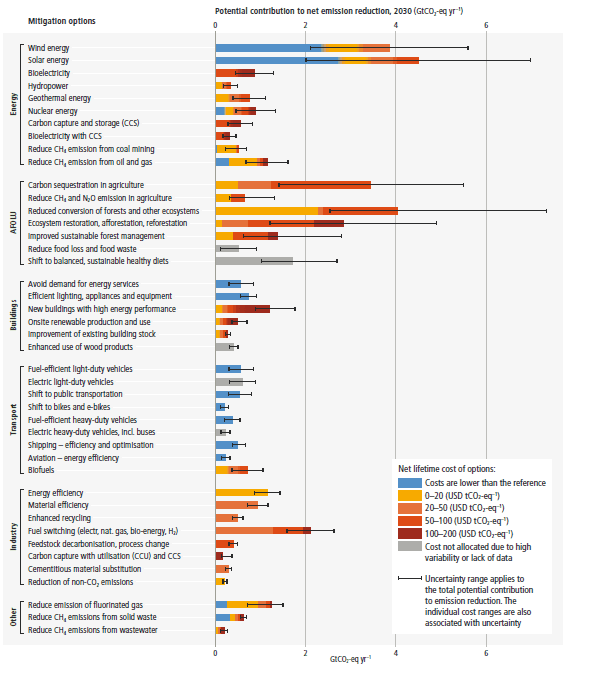
Recommended actions to cut greenhouse gas emissions in the near future:
Anti-science, inactivism, and unsupported conspiracy theories are not ok here.
founded 3 years ago
MODERATORS
you are viewing a single comment's thread
view the rest of the comments
view the rest of the comments
Yes in North America the non-coastal west can get brutally hot, I've lived a few places there. I looked it up and Alberta has hit 44 C which is decently hot. But they've also experienced -61 C. Which one do you think will kill you faster if you don't have a temperature-controlled place to get away from it?