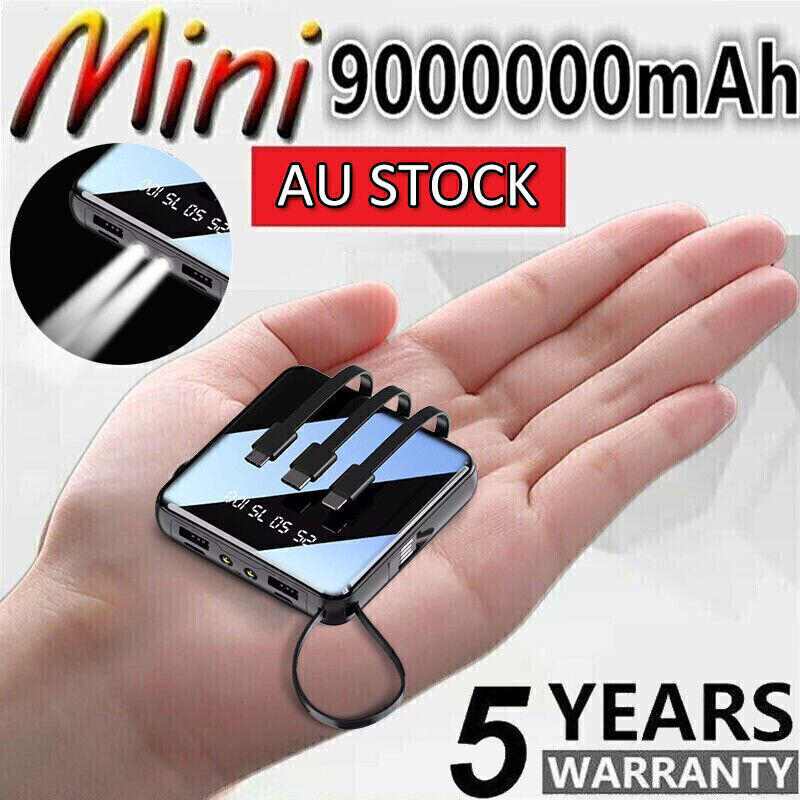
Just two years ago my car's 50 kWh battery weighed around 350 kg, now you can get a 45 kWh battery that fits in the palm of your hand!
sometimes USB drives won’t mount after a kernel update if I don’t restart.
Well yes, you've removed the running kernel from disk. It's not going to be able to load any drivers that weren't already loaded.
Be ungovernable.

Yes it's a paid service, but that means that their customers aren't businesses buying ads and user data. You aren't the product, you're the customer, so Kagi focuses on providing what you want.
Don't want AI? Just turn it off and you'll never see it again.
No, in Mad Max somehow everyone had lots of fuel for their stupid giant trucks.
Samsung is awful at software. Samsung phones for some reason insist on replacing Google or even basic Android apps with their own worse versions.
I mean, they aren't actually remembering reasons, they're coming up with reasons after the fact.
Do they think gas is going to be cheaper next week?
I'm not sure the economists themselves realise this, because they're wondering why regular people aren't happy that rich people are doing well.
That's a perfectly cromulent idea.
Don't forget all the data centres they're on the hook for to support demand that isn't there. As they come online, the operators are going to expect to be paid.
The slop pushers have a bunch of spending commitments that aren't technically loans. But they'll still come due.
It seems like they deliberately made characters that nobody would ever make porn of and it never occurred to them that bland, boring characters would be a problem.
Just two years ago my car's 50 kWh battery weighed around 350 kg, now you can get a 45 kWh battery that fits in the palm of your hand!
Cleaning the dust out of the cooler is often enough.