this post was submitted on 11 Dec 2025
21 points (100.0% liked)
Climate - truthful information about climate, related activism and politics.
7768 readers
480 users here now
Discussion of climate, how it is changing, activism around that, the politics, and the energy systems change we need in order to stabilize things.
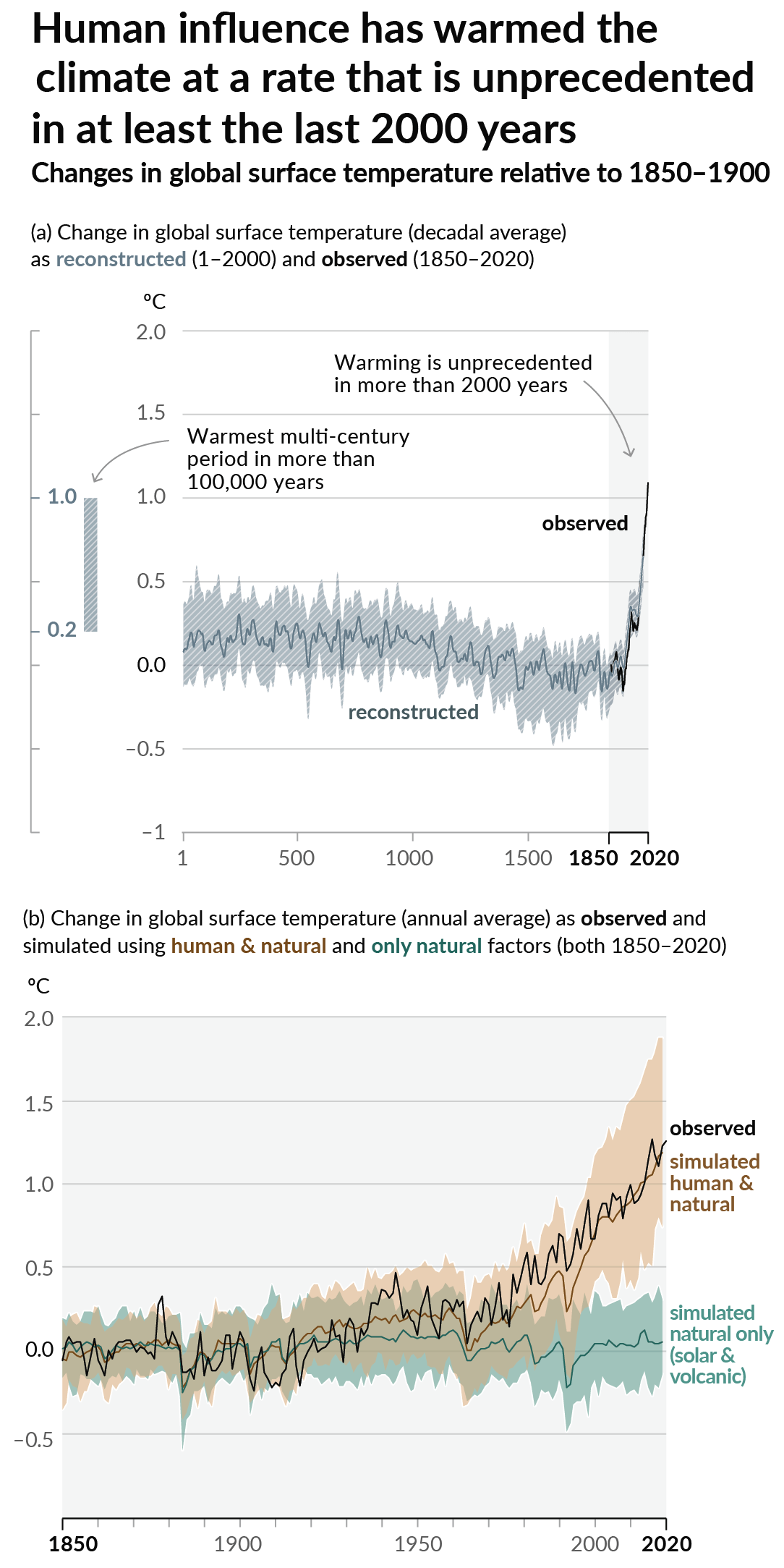
As a starting point, the burning of fossil fuels, and to a lesser extent deforestation and release of methane are responsible for the warming in recent decades:
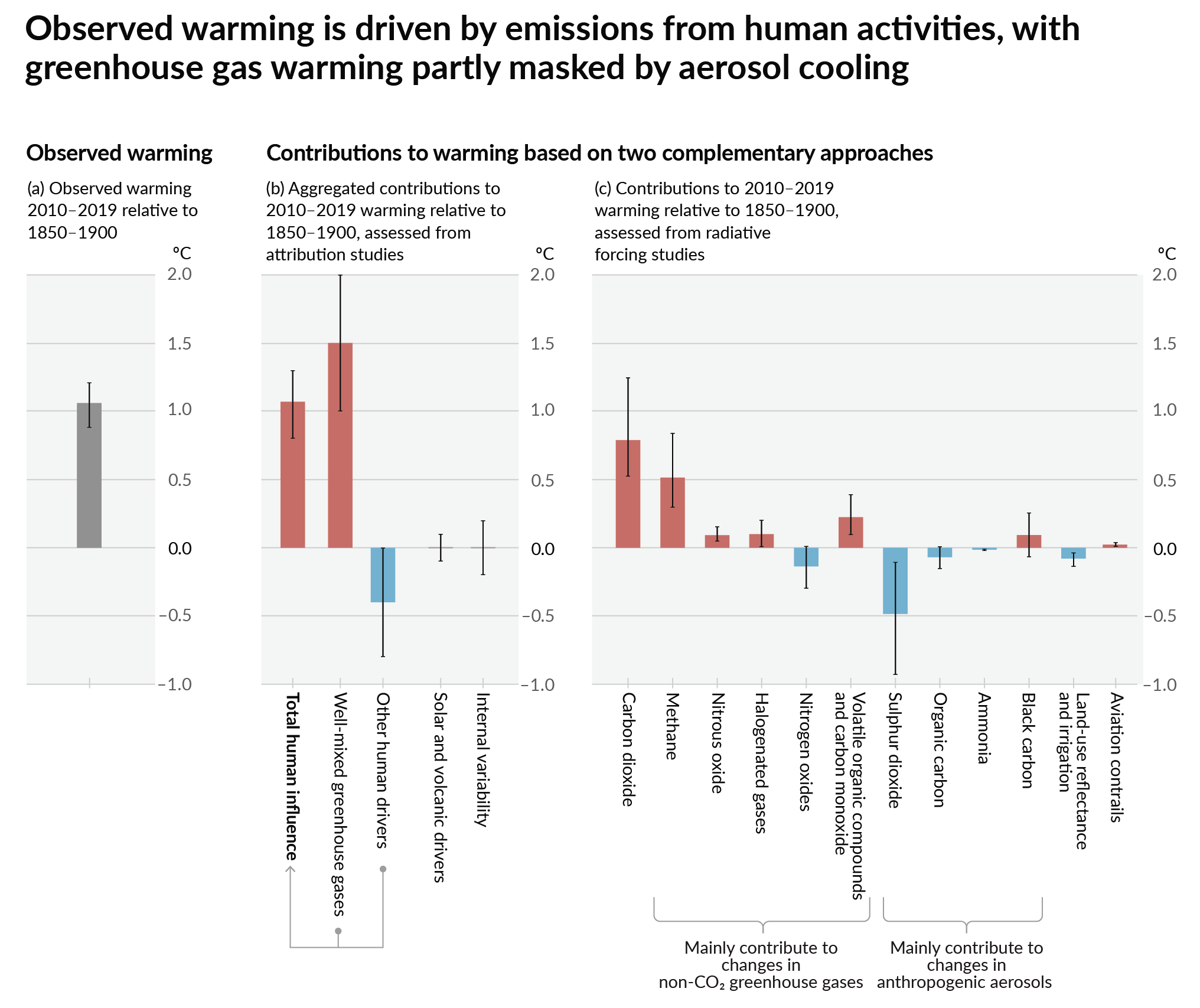
How much each change to the atmosphere has warmed the world:
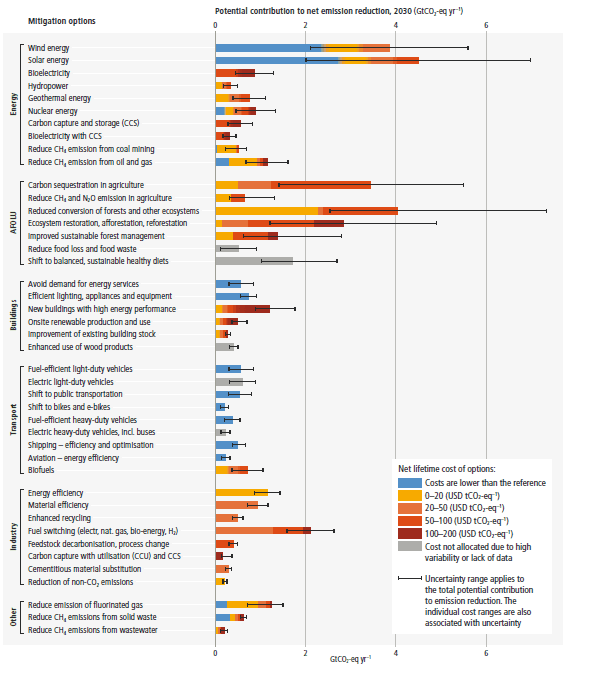
Recommended actions to cut greenhouse gas emissions in the near future:
Anti-science, inactivism, and unsupported conspiracy theories are not ok here.
founded 2 years ago
MODERATORS
you are viewing a single comment's thread
view the rest of the comments
view the rest of the comments
Alright, I just wasted a bunch of time I should've been working looking into this, and here is the HSRA's most recent report on the subject: https://hsr.ca.gov/wp-content/uploads/2024/09/Sustainability-Report-2024-FINAL-A11Y-20240916.pdf
From the relevant section, pg 58:
I wish they'd provided a percent reduction in vehicle emissions, but according to another source (https://ww2.arb.ca.gov/ghg-inventory-data), in 2023, transportation emissions in California were 137 million metric tons of CO2. The average of the range comes out to around 1.3% of that range.
That's interesting. I wonder what fraction of transit emissions are from passenger travel across the state, vs commercial hauling and inner city traffic. I still think this is an obviously necessary step, but I'm curious what other actions are needed to take care of the other 99% of transit emissions. Perhaps urban public transit and bike infrastructure.