this post was submitted on 31 Dec 2025
408 points (98.8% liked)
Climate - truthful information about climate, related activism and politics.
7790 readers
696 users here now
Discussion of climate, how it is changing, activism around that, the politics, and the energy systems change we need in order to stabilize things.
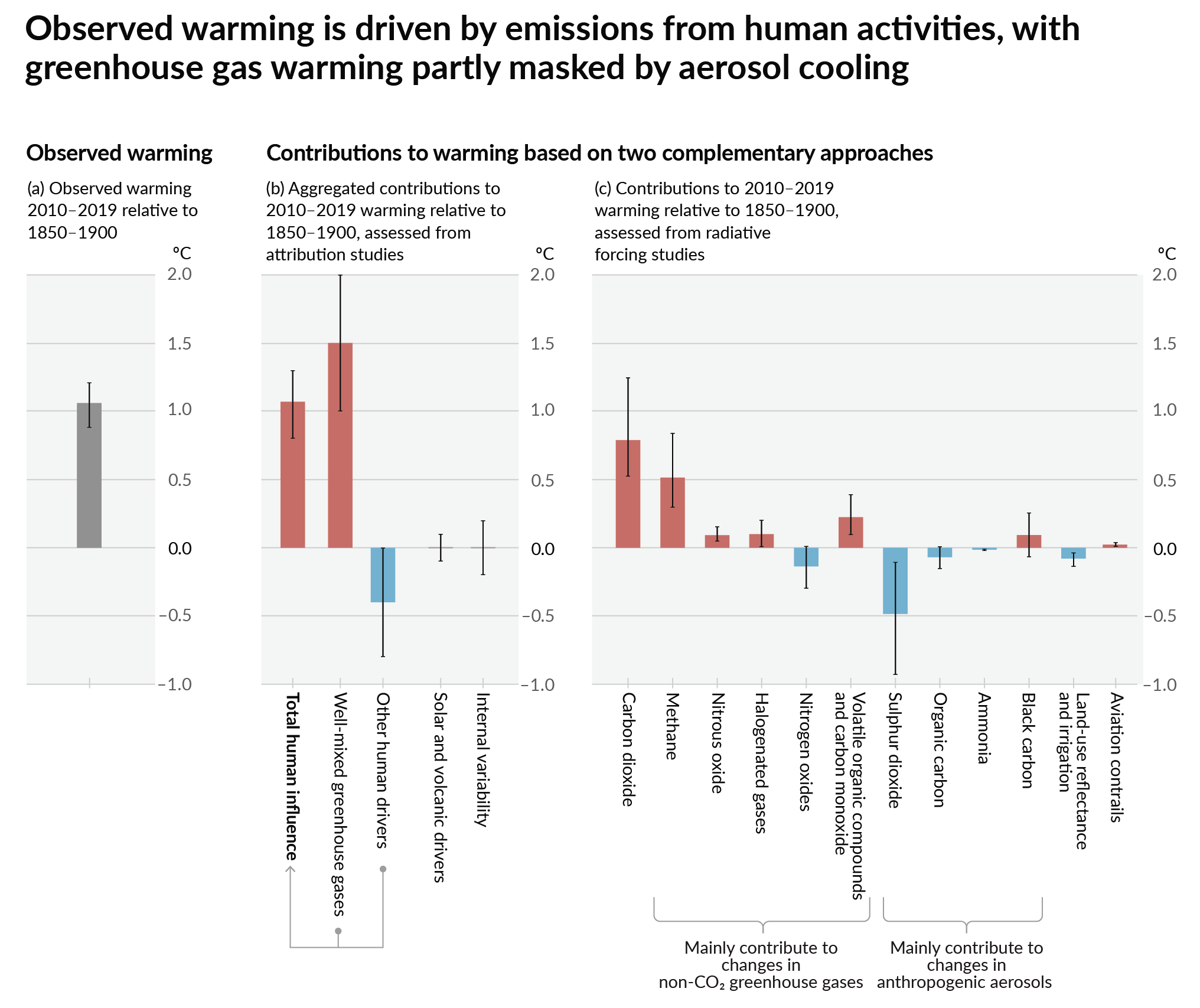
As a starting point, the burning of fossil fuels, and to a lesser extent deforestation and release of methane are responsible for the warming in recent decades:
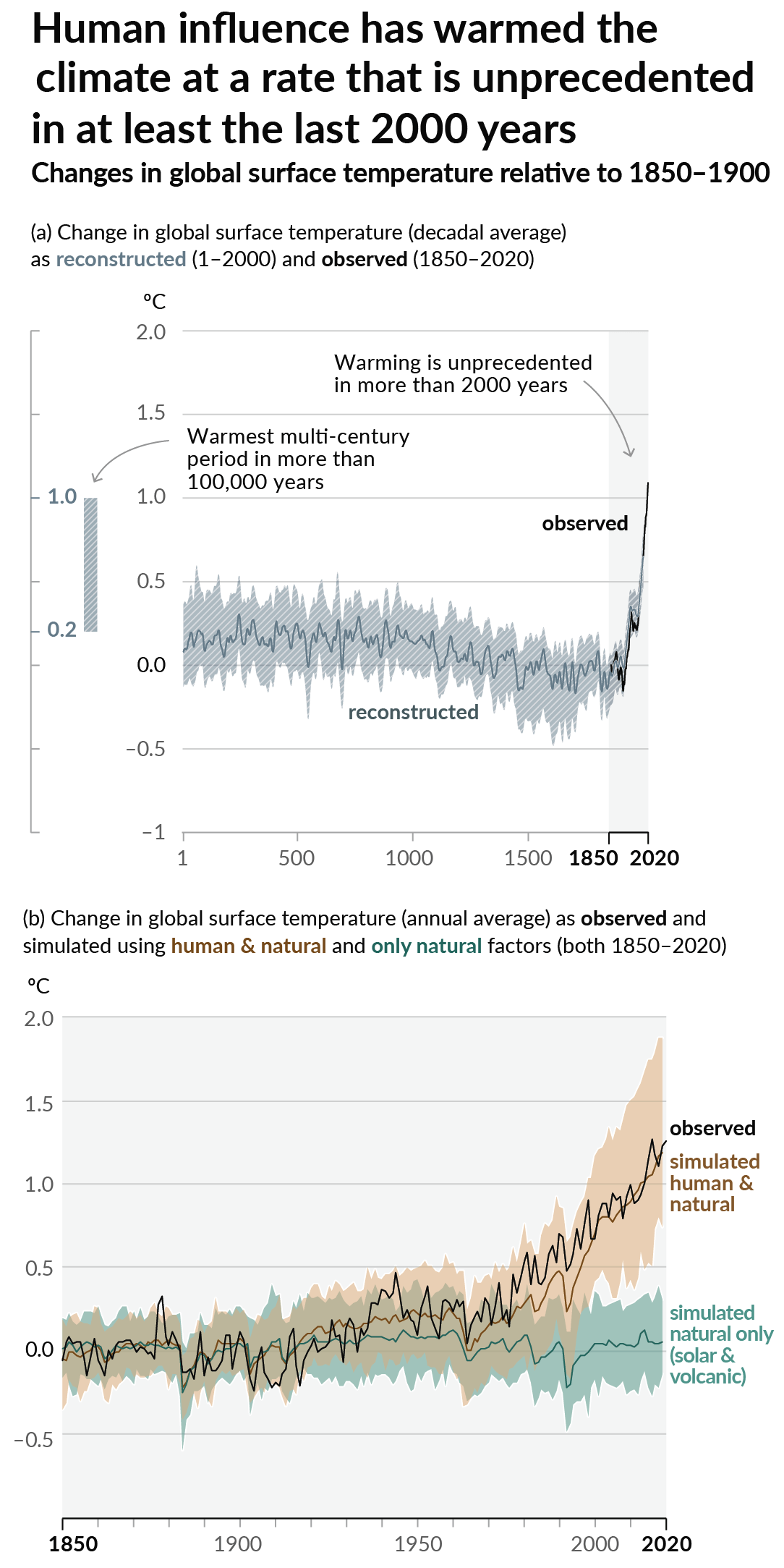
How much each change to the atmosphere has warmed the world:
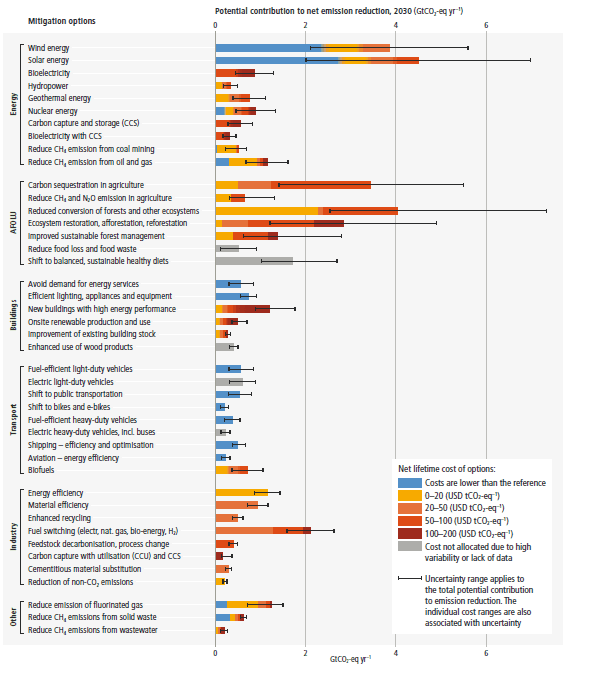
Recommended actions to cut greenhouse gas emissions in the near future:
Anti-science, inactivism, and unsupported conspiracy theories are not ok here.
founded 2 years ago
MODERATORS
you are viewing a single comment's thread
view the rest of the comments
view the rest of the comments
OK this makes sense. It answers my WTF reaction at the thought of a battery-backed range.
For real? In Europe one can get induction for less than €200. Significantly less. And a "real", full size one, 4 spots. And adding an oven adds additional €200.
You're right, I've updated my post.
For comparison, in Australia, gas and induction are at price parity (a budget 4-hotplate setup costs about $200-300 either way). You can buy a single-plate induction cooker for $50 that plugs into the wall and has a temperature configurable from 60-200 C.
Edit: Stopped markdown converting Centigrate to Copyright symbol
PS: Also, electricity is cheaper than gas in Australia, because we have so much rooftop solar, electricity is soon going to be free during the midday peak.
I got one for 35€
I also see those batteries going bad and complications in the future with such a complicated system rather than a dedicated 240v circuit.
What makes it seem convoluted? It's slightly more complex than a standard electric stove, but we have and use countless devices on a daily basis with this technology. Very rarely do they have any issues with the charging/discharge circuit.
Yes, the batteries will eventually need to be replaced, and it could be an issue during Thanksgiving (etc) when a ton of power is needed all at once. But I really think you're overestimating the usage it will get.
In any event, this is why they're running it as a pilot. Any real-world issues will come to light before a larger rollout.
Has the text changed? I can't find any reference to 240v
I think this is the new section?
Ditto. I wonder if it could be more of a big capacitor, or if it is.
Seems to be LFP pack. Safe and long-lasting.
What's so hard about 240v since it takes a thinner wire compared to 110v?
Still sounds easier than fixing old gas plumbing, and again, the current is lower so the wires are not thicker they're thinner.
And I'm certainly not keen on running a big battery that will be next to heat and needs replacement approved by landlord every 3-5 years, plus having to own expensive pans.
What do I know, I never owned electric stove and I don't want one.
For new construction, nothing.
For existing construction, it requires you to run a new circuit.
Not sure but maybe, thicker insulation?