politics
Welcome to the discussion of US Politics!
Rules:
- Post only links to articles. Title must fairly describe link contents. If your title differs from the site’s, it should only be to add context or be more descriptive. Do not post entire articles in the body or in the comments.
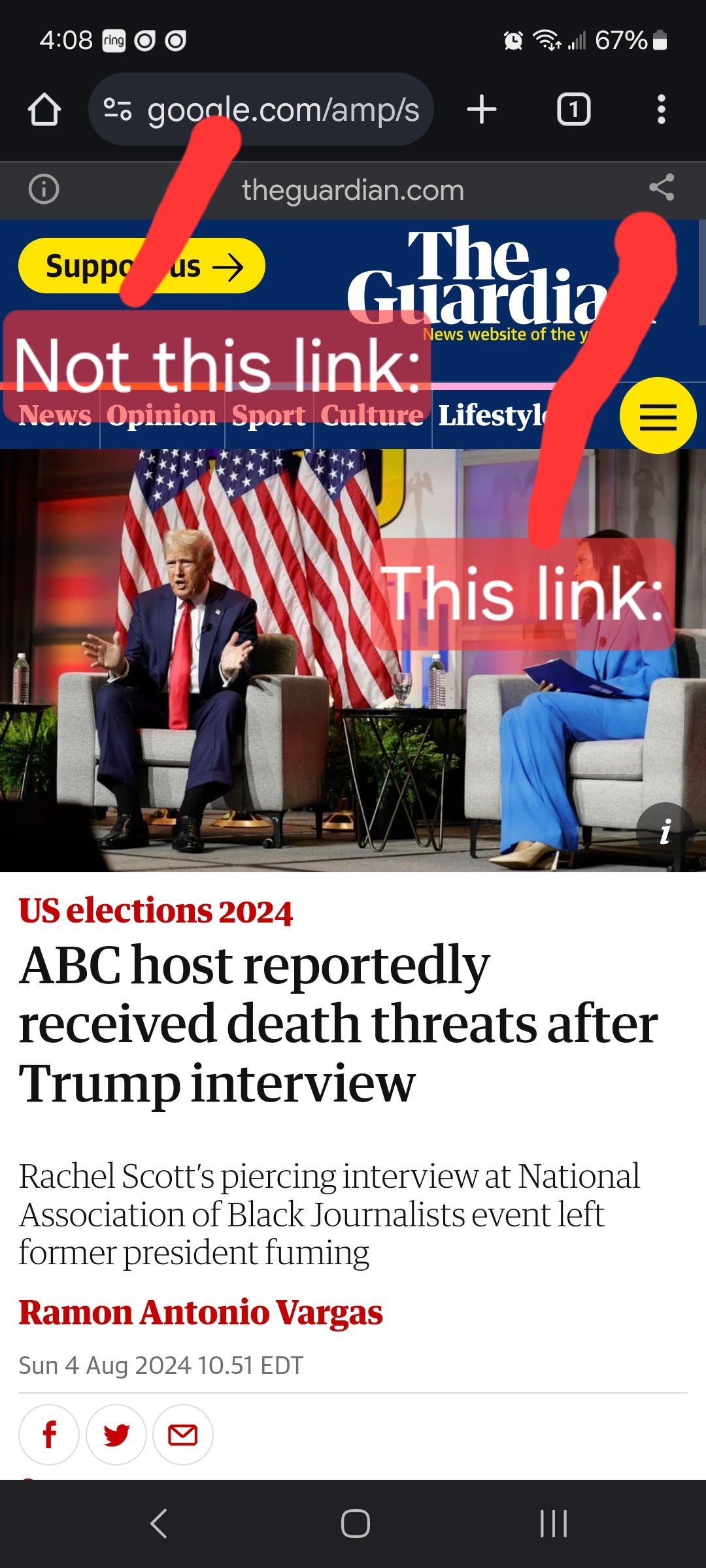
Links must be to the original source, not an aggregator like Google Amp, MSN, or Yahoo.
Example:
- Articles must be relevant to US politics and contain quality and original content. Social Media adjacent hosts like Substack are allowed, but ONLY if they tie back to a company/subsidiary. No personal or friend group blogs and no self-promotion. Articles should be worth reading. Clickbait, stub articles, and re-hosted or stolen content are not allowed. Check your source for Reliability and Bias here.
- Be civil, No violations of TOS. It’s OK to say the subject of an article is behaving like a (pejorative, pejorative). It’s NOT OK to say another USER is (pejorative). Strong language is fine, just not directed at other members. Engage in good-faith and with respect! This includes accusing other users of being bots or paid actors.
- No memes, trolling, misinformation, or low-effort posts/comments (including reposts). If you see posts like this that anger you, do not engage. Report, block, and live a happier life than they do. Any slap-fight is subject to comment removals. Fights full of rule violations will result in temporary bans to cool off.
- No manipulating votes via bots or alt accounts; this will result in permanent bans. Vote based on comment quality, not agreement. This community aims to foster discussion; please reward people for putting effort into articulating their viewpoint, even if you disagree with it.
- No hate speech, slurs, celebrating death, advocating violence, or abusive language. This will result in an account ban. Usernames containing racist, or inappropriate slurs will be permanently banned.
We ask that the users report any comment or post that violate the rules and use critical thinking when reading, posting, and commenting. Users that repeatedly have comments or posts removed, weaponize reports, or violate the code of conduct, will be banned.
All posts and comments will be reviewed on a case-by-case basis. This means that some content that violates the rules may be allowed, while other content that does not violate the rules may be removed. The moderators retain the right to remove any content and ban users. The reason(s) behind moderator action(s) are publicly available through the Modlog.
That's all the rules!
Civic Links
• Congressional Awards Program
• Library of Congress Legislative Resources
• U.S. House of Representatives
Partnered Communities:
• News
view the rest of the comments
Also:
Can you elaborate on what you mean by this, specifically?
I've heard the same assertion you make elsewhere, that there was a treaty by either the pre-constitution federal congress or the modern constitution-and-president government that promised some form of representation in congress. But I can't find any actual citation of when this treaty was actually made.
I'm fairly certain that it wasn't only 100 years ago, since that would be 1926 and that's about the time Congress passed the Indian Citizenship Act of 1924 which granted non-assimilated native Americans formal citizenship. Doing so included them (along with blacks, gays, jews, and other minorities) under the the aegis of general democracy. It would be very weird for Congress to promise a group of newly-declared citizens additional representation when they just did that.
https://en.wikipedia.org/wiki/Indian_Citizenship_Act
Maybe instead you're alluding to the 1778 treaty of fort pitt, which by all accounts did include an overt offer of recognizing a native state? (Although, if wikipedia's text is accurate, that treaty would have been fatally invalidated when the Lenape joined the revolutionary war on the side of the British).
https://en.wikipedia.org/wiki/Treaty_of_Fort_Pitt
This is an interesting question with a bit of a complicated answer filled with back-stabbing and duplicity. You are right, it’s not totally correct to simply say it was 100 years ago;
This is one of those things that was never applied to all Indian nations, because it was done individually through each Indian nation. Usually through the removal process. For instance, in my tribe, the Cherokee Nation, the Treaty of New Echota was signed in 1835 and the language regarding whether it meant a voting or non-voting member is still up for debate. Nearly 200 years later this is still an ongoing issue.
The reason people usually say 100 years is because the Indian Wars ended in the 1920s and that’s when the last removal and reservation agreements were signed.