this post was submitted on 09 Dec 2025
22 points (100.0% liked)

Photography

6523 readers
455 users here now

A community to post about photography:

We allow a wide range of topics here including; your own images, technical questions, gear talk, photography blogs etc. Please be respectful and don't spam.

founded 2 years ago
MODERATORS
 

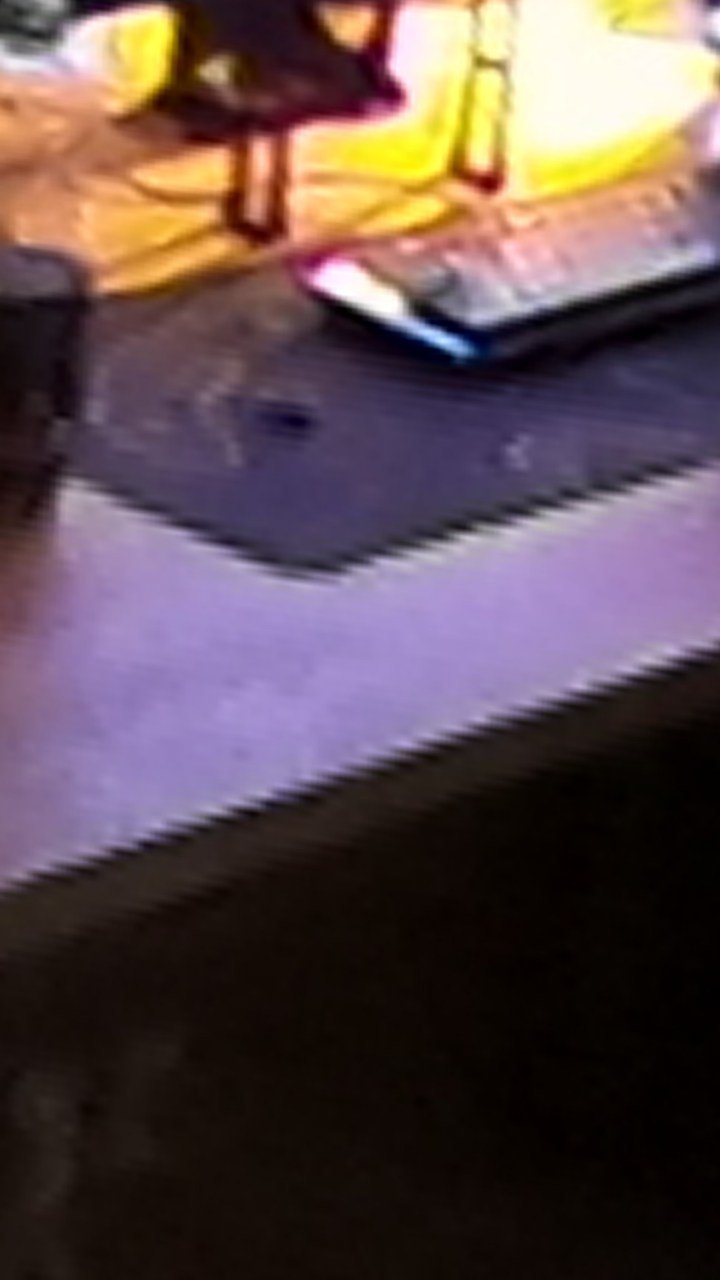
I can't find anyone talking about this and I'm going insane trying to find out if my unit is just defective. Look at these comparison photos between my Pixel 6 and the Gopro; that's insane! I have cameras from the year 2006 that shoot better quality.

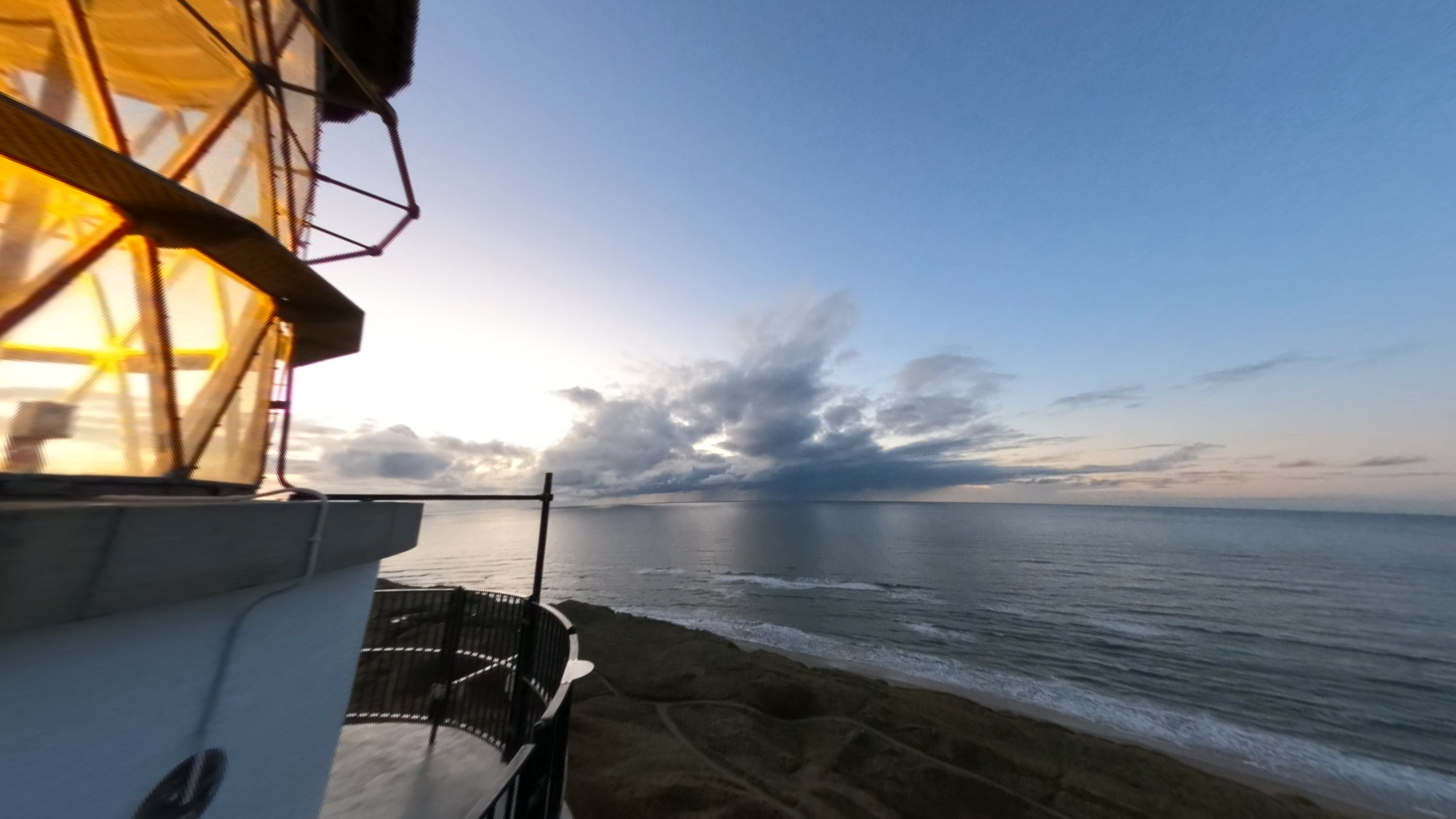
I've also attached a bigger photo from a real scenario and it has a really strange pixel pattern that I can't make heads or tails of. It's like the resolution of the image is foveated and this quirk does not show up in any reviews I can find.
top 4 comments
sorted by: hot top controversial new old
[–] ada@piefed.blahaj.zone 11 points 2 days ago (2 children)

That's just how 360 cameras are. In this case, it's a 16.6MP camera that uses two sensors, each capturing a 180 degree field of view. So that's about 8/9MP per lens.

Your pixel 6 contains an 8MP sensor. I'm not sure what the field of view on the pixel. Lets say it's about 100 degrees for "wide" mode. Much less than that for photos of keyboards and computers.

So, for the 360 camera to give you the same field of view as your iphone, ultimately, you have to crop and deskew the original 180 degree image provided by one of the sensors. But that original image was only 8MP to begin with, so if you crop down to even 100 degrees, you've lost nearly have of your original pixel count, leaving you at 4MP. If you crop down even tighter, than that, your megapixel count goes down even more.

That's why 360 cameras look ass for anything other than wide cinematic shots. Once we start seeing 8K individual sensors on 360 cameras, for a total of 16K (132 MP), cropping will become far more viable. But of course, the downside with cramming lots of pixels in to a small sensor is that you get more noise. And at the moment we just don't have the manufacturing abilitity to make 16K look good on a 360 camera size sensor, at consumer friendly prices. And if you increase the size of the sensor, you increase the size of the camera, which is a deal breaker for an action cam.

[–] drkt@scribe.disroot.org 2 points 1 day ago

I understand the physics of the situation, but I don't get why none of the reviewers have pointed out that strange pixel artifacting, which is really the thing I'm most bothered by. I can deal with a noisy, low quality image, but it just seems like there's some broken post-processing going on.

[–] IMALlama@lemmy.world 3 points 1 day ago (1 children)

16k and even 8k is also a metric crap ton of data. Raw 8k @ 24 FPS is around 640 MB/second of data. Bump the frame rate and the numbers get big. Red cameras shooting 8K @ 75 fps chew just over 2 GB/second.

[–] ada@piefed.blahaj.zone 5 points 1 day ago

To be fair, I was focusing on still photography, given the community and the pictures the OP posted :)

That being said, video is often more forgiving of a slight reduction in pixel count, because noise and slight softness can get hidden behind motion blur to some extent.

Also, most action cams won't be shooting RAW video. They tend to use non colour gradable compressed formats that work straight out of the camera, and that makes the space consumption a lot more manageable.