this post was submitted on 20 May 2026
30 points (100.0% liked)

Climate

8657 readers
350 users here now

Discussion of climate, how it is changing, activism around that, the politics, and the energy systems change we need in order to stabilize things.

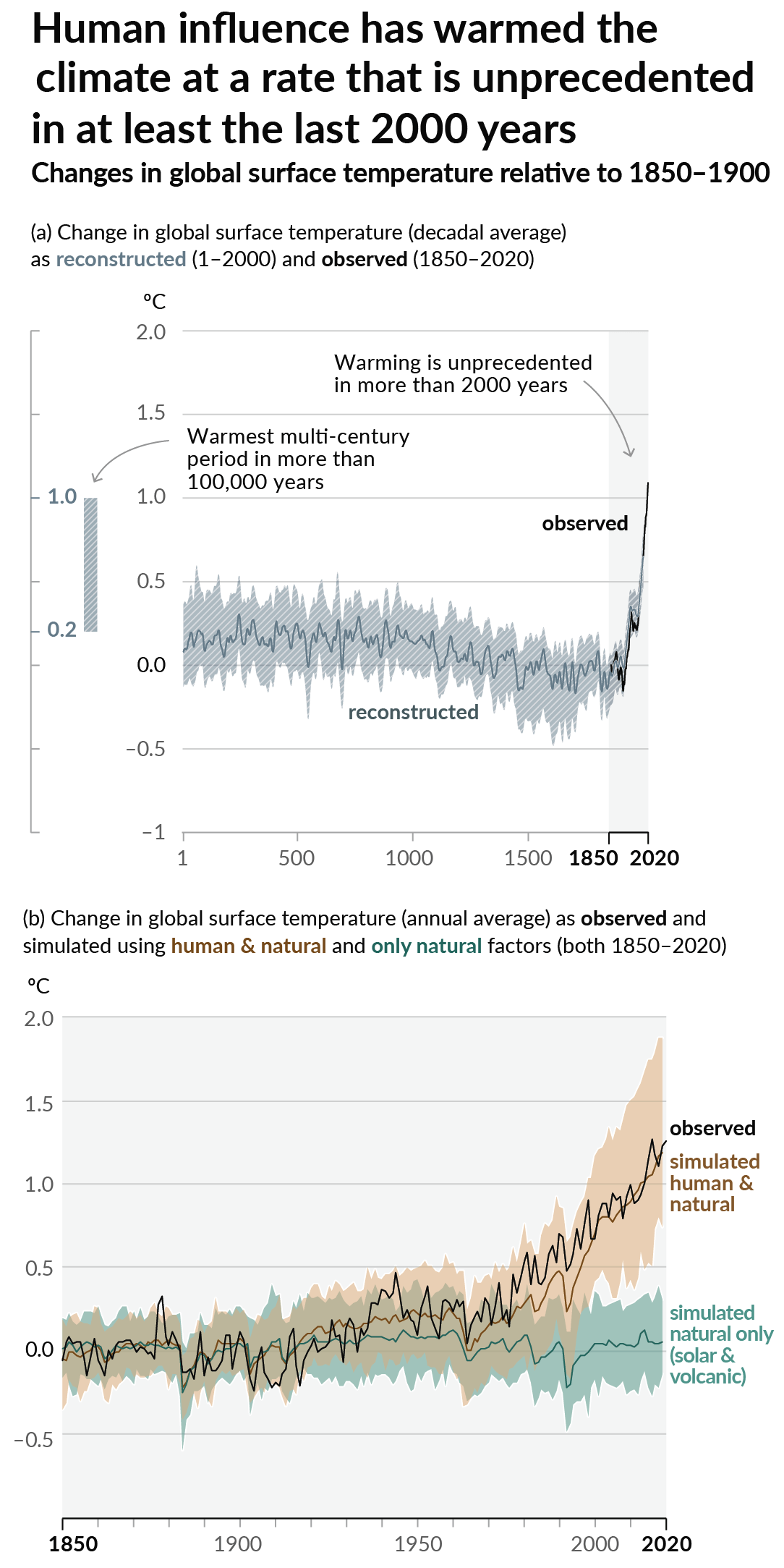
As a starting point, the burning of fossil fuels, and to a lesser extent deforestation and release of methane are responsible for the warming in recent decades: Graph of temperature as observed with significant warming, and simulated without added greenhouse gases and other anthropogentic changes, which shows no significant warming
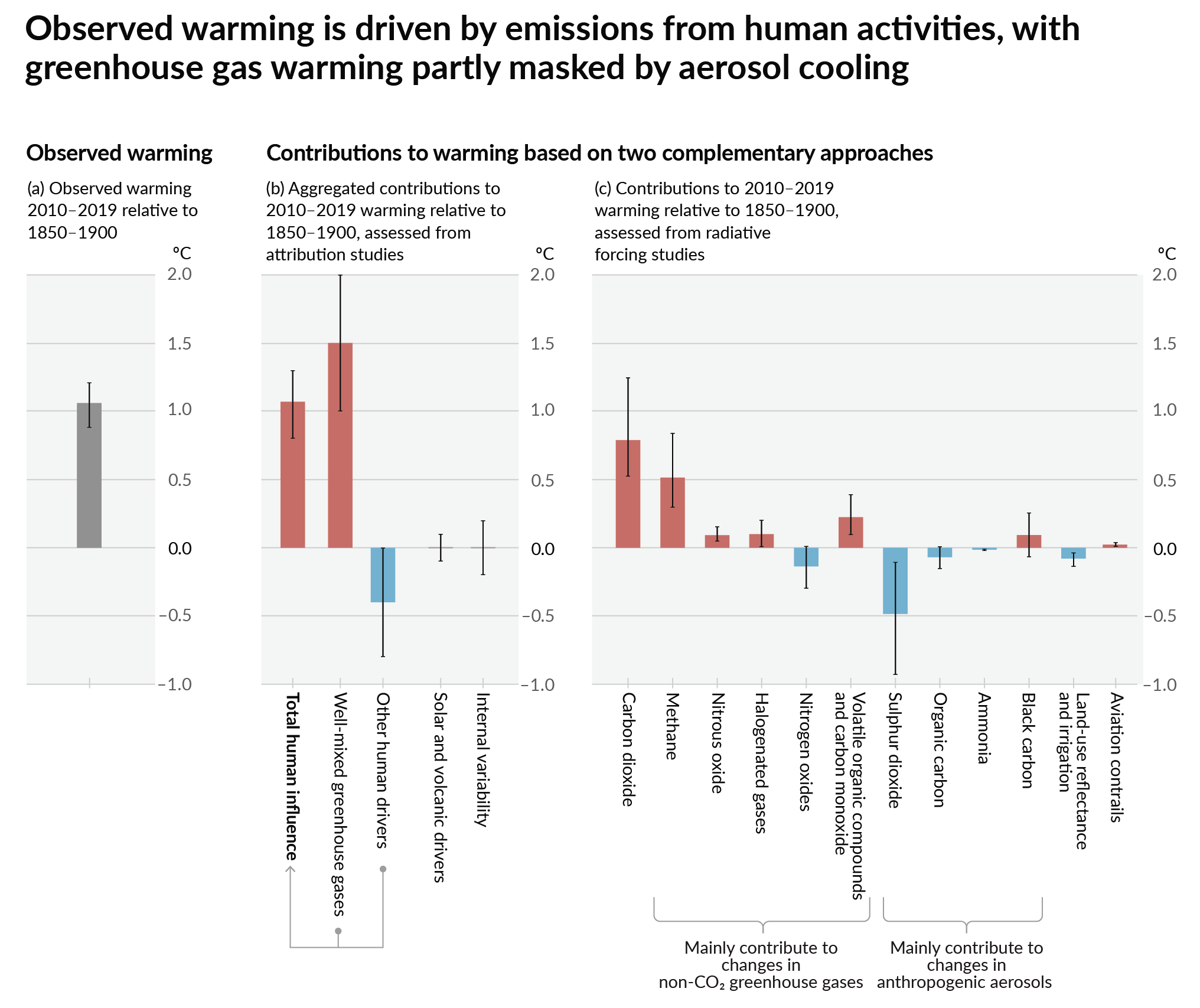
How much each change to the atmosphere has warmed the world: IPCC AR6 Figure 2 - Thee bar charts: first chart: how much each gas has warmed the world.  About 1C of total warming.  Second chart:  about 1.5C of total warming from well-mixed greenhouse gases, offset by 0.4C of cooling from aerosols and negligible influence from changes to solar output, volcanoes, and internal variability.  Third chart: about 1.25C of warming from CO2, 0.5C from methane, and a bunch more in small quantities from other gases.  About 0.5C of cooling with large error bars from SO2.
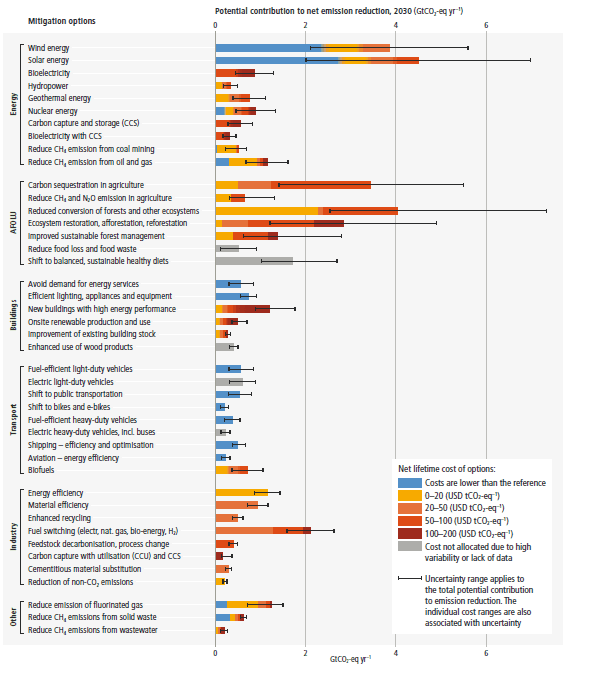
Recommended actions to cut greenhouse gas emissions in the near future:
Anti-science, inactivism, and unsupported conspiracy theories are not ok here.

founded 2 years ago
MODERATORS
 

Archived

[...]

In China [which produces more than half of the world's steel, representing a global oversupply], around 94% of its massive blast furnace capacity has no plans for retirement, and the country is the second-largest net developer of blast furnace capacity after India.

[...]

India is developing over 60% of new coal-based blast furnace capacity globally, and 93% of its ironmaking capacity under development will use coal-based technology. Just 5% has actually broken ground however, leaving a significant intervention opportunity.

[...]

With roughly 88% of all steel sector emissions generated from coal-based production and the industry responsible for 11% of global CO2 emissions, investments in greener technologies are imperative for the world’s industrial transition toward net zero emissions.

Yet the share of green steelmaking capacity increased only marginally in the past year and progress towards green ironmaking also remains minimal.

The lower-emissions EAF steelmaking technology increased its share of global operating capacity by just 1% from 33% to 34%. In ironmaking, only 10% uses direct reduced iron (DRI) over emissions-intensive coal-based BF technology, and just 2% (4 mtpa) of operating DRI capacity uses net zero compatible green hydrogen as a primary reductant instead of fossil fuels.

[...]

Astrid Grigsby-Schulte, Project Manager of the Global Iron and Steel Tracker at Global Energy Monitor, said, “The outlook remains bleak for steel’s transition away from fossil fuels. The ball is in India and China’s court, as the two countries plan 86% of new coal-based capacity."

[...]

top 1 comments
sorted by: hot top controversial new old
[–] grue@lemmy.world 2 points 8 hours ago

I'm less mad about that than I am about coal-fired power plants, since the carbon is also a reactant in the steelmaking process rather than just being used for heat.