I have a 19” compaq computer monitor for my 98 PC and a 27” Magnavox that uses S-Video
TORFdot0
joined 2 years ago
Plans were rejected by JFK in 1962. Hmmm I wonder what happened to him the next year or so..
I can’t tell if this is a circlejerk or not.
Gamers could collectively boycott NVidia cards and it would barely make a dent in their bottom line. It’s time for gamers to show nvidia that they are unequally important to us as we are to them
I haven’t bought a nvidia card in over a decade. Start buying APUs, handhelds, or just keep your current card and turn the graphics down or start playing your backlog. And for the love of god don’t pay for GeForce now.
No input on the query. The question just reminds me of Chapelle’s Clayton Bigsby sketch
Yes, pretty much every active server on UO has one. This one is ours if you feel the fancy to hop on sometime (I go by VE_AG_RA on UO [long story])
I remember the good old days of the 300 pingers either being people on dial up or Aussies getting a morning game in. Yeah it’s be hard to scrim with that ping for sure. Thanks for sharing the game date URL. It’s a nice little site, we’ve used it a few times
Not sure if you read the article but it looks like organized crime is threatening to kill people on the “above board” platforms as well.
I also am against turning the state into the purveyor of gambling as it creates perverse incentive for the state to prioritize predating on problem gamblers and poor people in order to raise tax revenues. Money is fungible and as soon as the lottery becomes a funding vehicle for education it becomes the funding vehicle and you shift more of the burden off of the rich paying taxes and more on the poor to fund it.
I’m all for the state staying out of regulating vices but also the state shouldn’t be the one providing it to the populace.
Gambling is a moral issue, the prevalence of which is showing the degradation of the values of our society due to late stage capitalism. Unregulated capitalism places no value on values and only value in capital.
Don’t know if you are interested in COD UO but we have biweekly pugs every Tuesday and Sunday evening. I think the cod1 scene is pretty much like us. CoD2 seems to be the active community with a running league with like 9 teams or so.
Trying to build the community up on these old games
It doesn’t help that one of the main instances will outright delete comments for being pro capitalism and the users of said instance will downvote any comment that doesn’t get removed but isn’t anti capitalist enough.
But the so called tankie triad is reviled enough that I would say it is actually proof of diversity of thought. There are conservative communities and instances but for the most part they don’t get much engagement because the content is usually pretty low quality even if it gets seen at all as many people will block or instances will defederate from those types of hosts.
I would consider myself more right wing than most users on the fediverse but even I don’t have much desire to engage with MAGA/fascist right wing content.
Yeah the developer might suck but an accomplished developer would have to spend more time fixing bad vibe code that is generated due to limited context window and backwards reasoning by the AI.
Vibe coding is fast because it sucks and is so sloppy
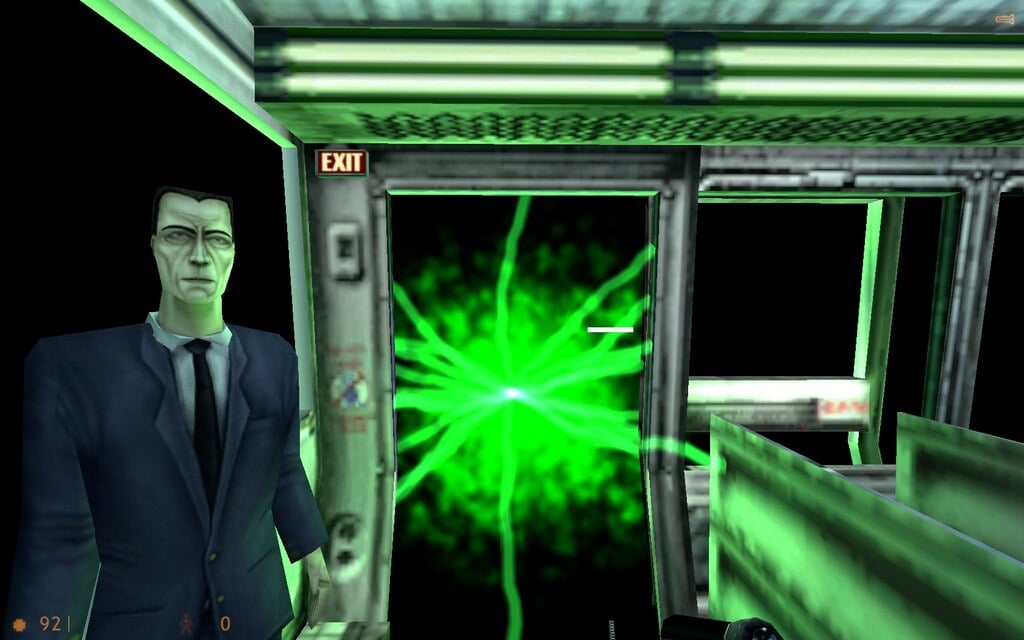
Do I take the job? This weird guy keeps asking me to choose!
3
Lemmy user succinctly explains why Prom became such a prominent US teen tradition
(lemmy.dbzer0.com)
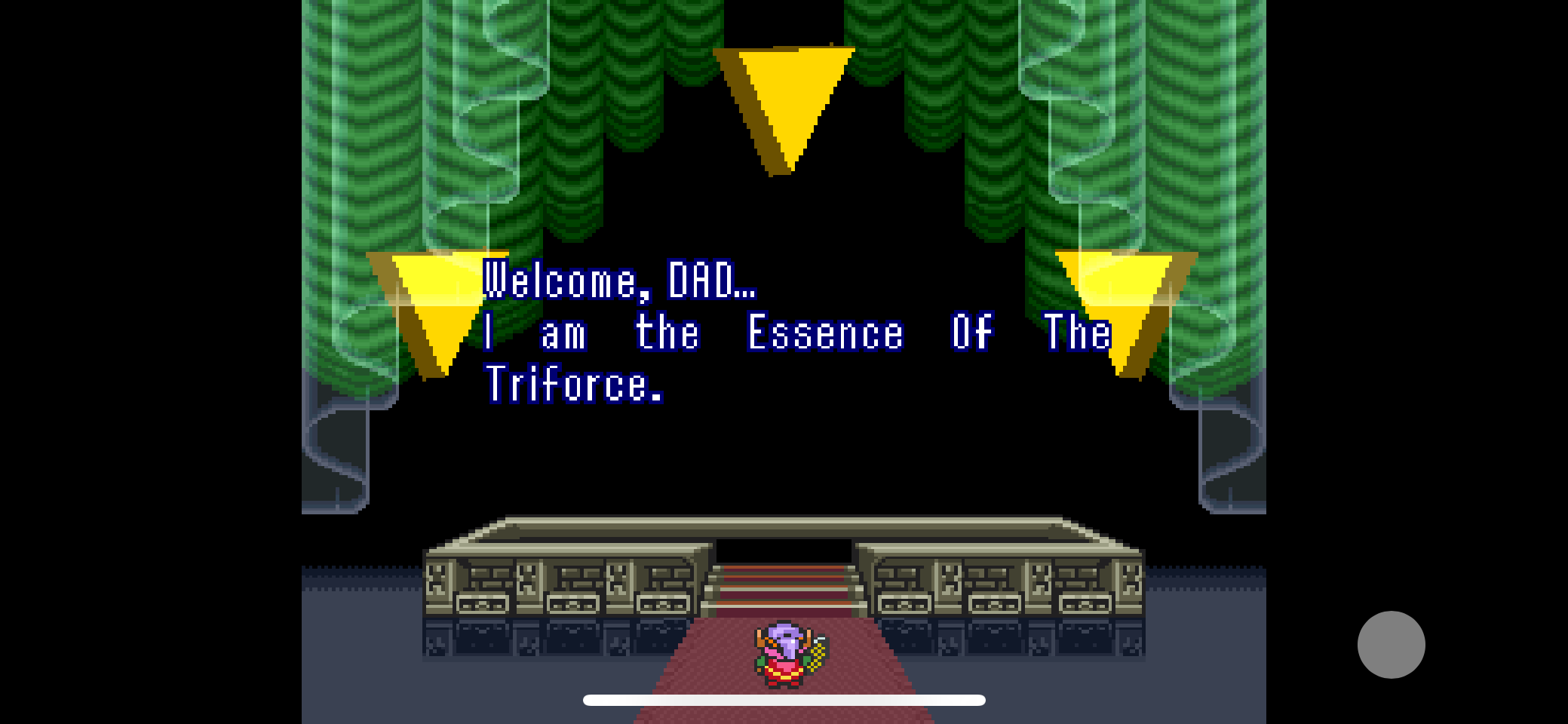
As a big Zelda hater as a kid, I skipped the series completely. I’ve been going through to experience them all in order now. I really enjoyed the first two games of the series so I expected to like this one too. What I didn’t expect is was that it really is one of the best games on the Super Nintendo if not one of the best games of all-time.
292
Cox Media Group claims to be listening to private conversations to sell advertisements
(www.404media.co)
I’ve been determined to finally beat Zelda II and determine that I would do it without save states and without a guide.
I know Zelda II is considered a black sheep somewhat but I really think in some ways it’s more fun than the original although I’d still pick Zelda 1 over II.

view more: next ›
The premise of this article is wrong. It should say “Live Service” gaming. In the article itself it admits that Arc Raiders was a hit and it’s because it’s a “live service” game that isn’t ran as a live service game. It’s just a fun multiplayer game just like Halo 3 or old Call of Duty. If games were still made to be fun instead of over engineered money extractors then there would still be plenty of room for hits.
But capital doesn’t want a decent return on a hit. They want a money printer like Fortnite and so they’d rather take bigger risks to hook and abuse players into gambling addictions and forever recurring revenue machines than just make the good games that players are asking for that make their budget back and then some