this post was submitted on 29 Aug 2026
193 points (97.5% liked)
Climate
8941 readers
448 users here now
Discussion of climate, how it is changing, activism around that, the politics, and the energy systems change we need in order to stabilize things.
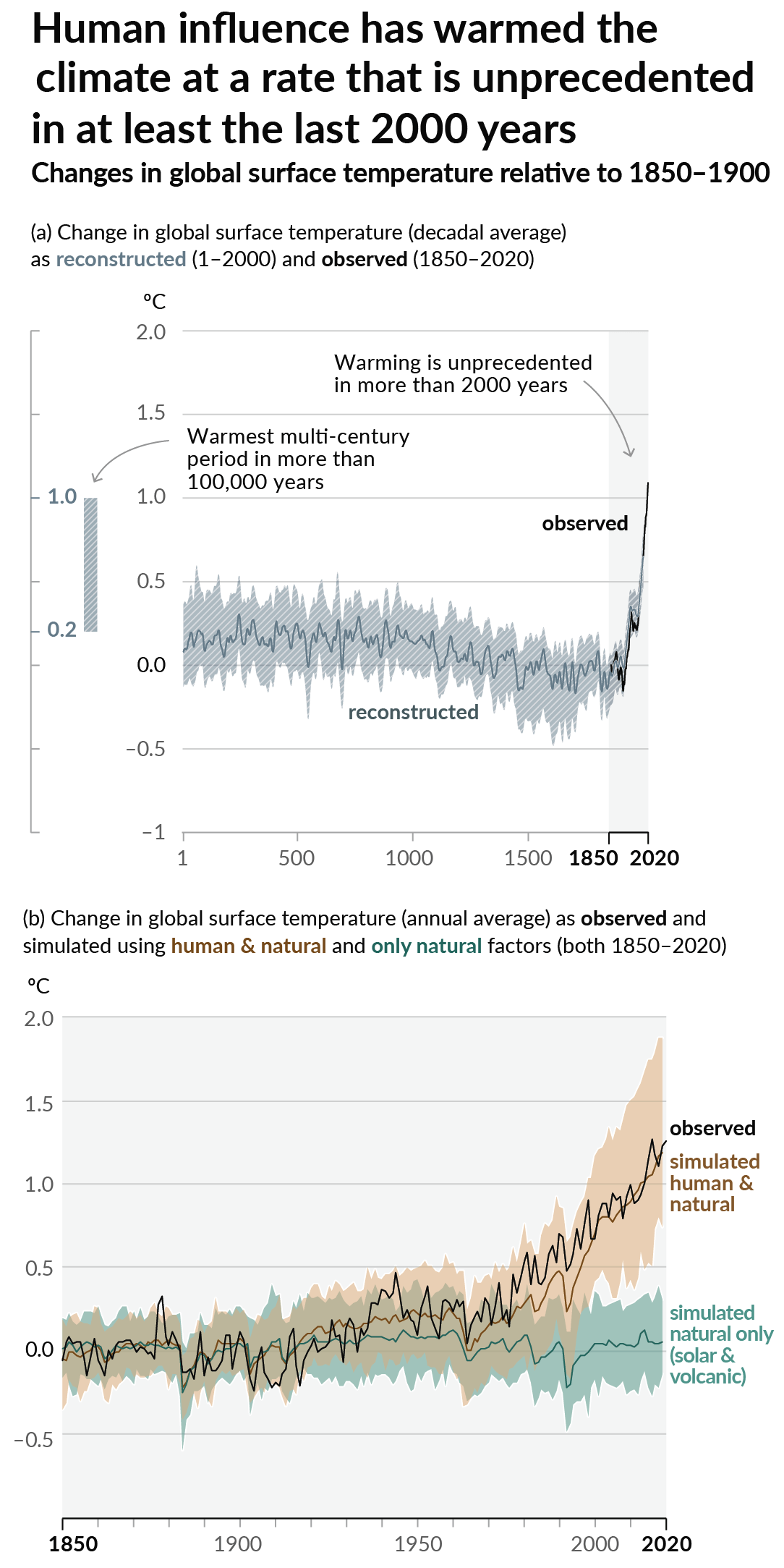
As a starting point, the burning of fossil fuels, and to a lesser extent deforestation and release of methane are responsible for the warming in recent decades:
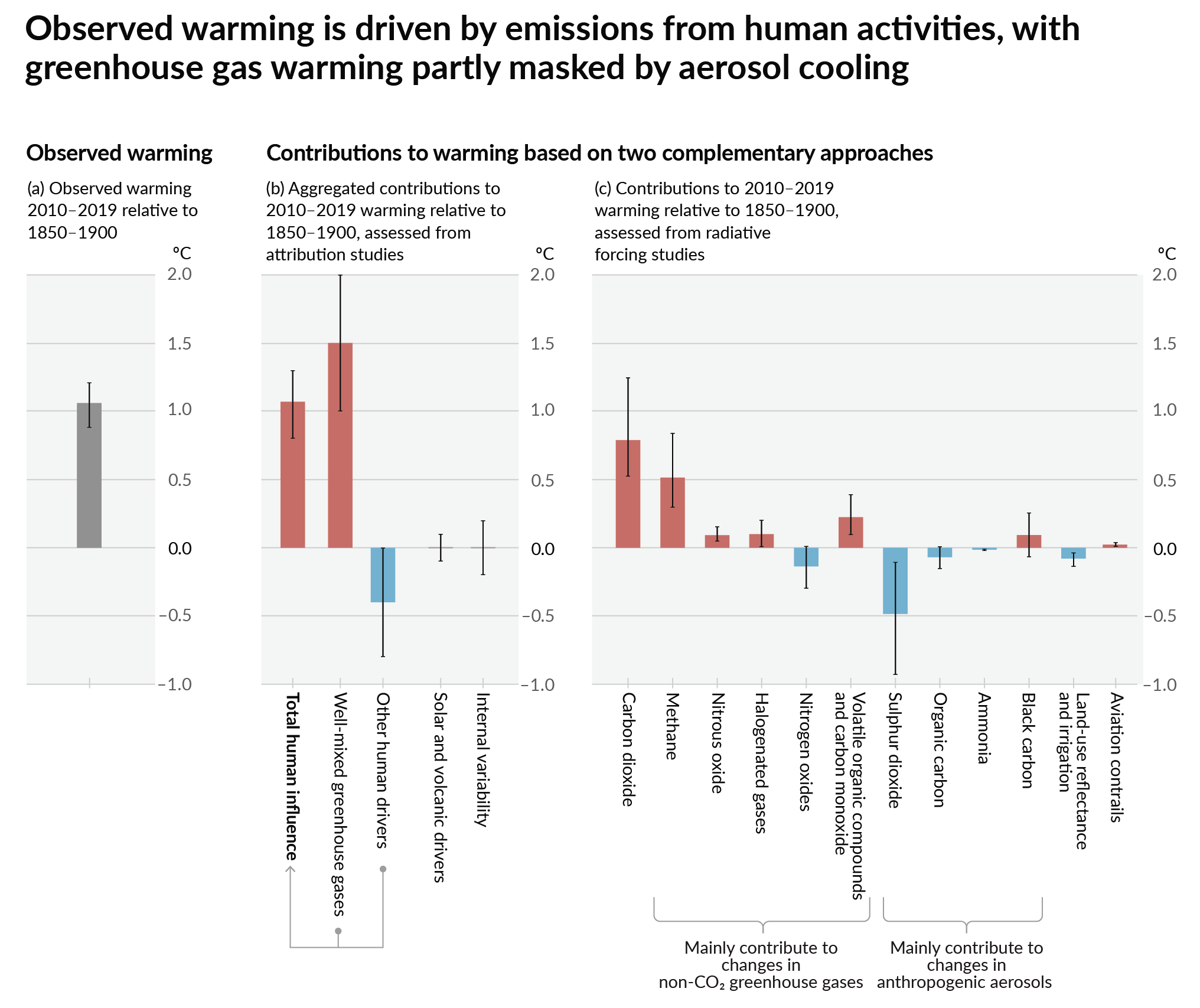
How much each change to the atmosphere has warmed the world:
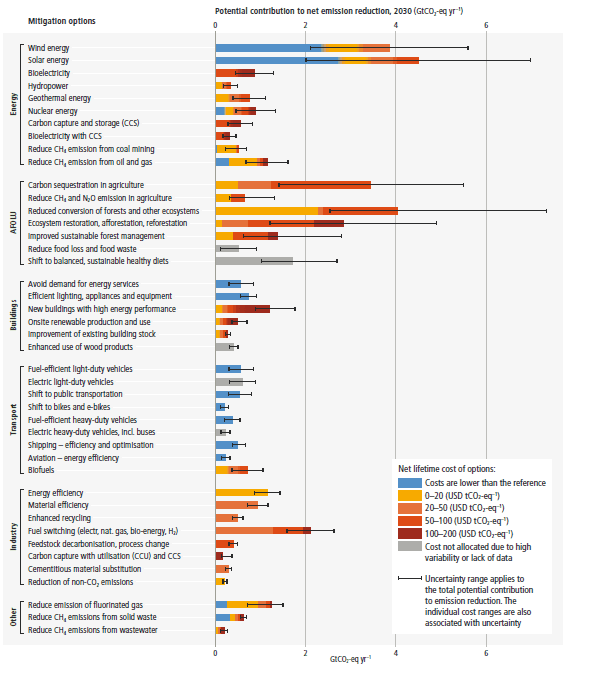
Recommended actions to cut greenhouse gas emissions in the near future:
Anti-science, inactivism, and unsupported conspiracy theories are not ok here.
founded 3 years ago
MODERATORS
you are viewing a single comment's thread
view the rest of the comments
view the rest of the comments
I agree with that, but sorry I don't understand how thats related to biking more and mass transit, other than a complete rework of the layout of towns and cities across the country that would take decades or more to have an impact.
The rework is the suggestion, I think A gradual rework would already help and wouldn't take that long. It's just that somebody would have to start that, and I am not sure if the will for that exists.
I would have to disagree on it taking that long (as in so short) - not the change to zoning law, but the actual existing building infrastructure.
Cities are one thing, and often have better infrastructure in place (though absolutely not a guarantee), but general suburbia you wouldn't find much shift in a short time. For one, availability of sites for new construction, and two, its the most likely place for quick capitalist change (new expensive clothing store rather than say, a small grocer).
Its going to get harder the further rural you get, there is more space but won't be as much appetite. Small businesses had already been squeezed out by the likes of Walmart and their ilk, and wouldn't sensibly be able to return without other changes (like being low cost enough and affordable to the local folks to go there instead of a Walmart Super Center or whatever those giant warehouse mini mall ones are called), which means financial incentives and lower and middle class folks having more money to spend.
Which you'd need to start having people stay more local for work to grow the local community.
Its a part of a solution, but it isn't a solution by itself IMO. And its going to take time to have an impact. Time that will be on a decades-long scale, considering many towns have been around for a hundred years or more that isn't a staggering timeframe, its sensible.
It definitely can't be done in the same kind of timeline as bike lines and bus infrastructure.
(Edit: stupid mobile keyboard)
You might be surprised at how much pent-up demand for density there is in the inner suburbs (the ones old enough to still have been built on a reasonable grid system instead of cul-de-sacs).
People really gotta start saying what they mean by "density", because I've had 4 people in 700sqft, and cannot imagine people actually want to live like that.
I'm not, I just don't think there is that much by comparison to the huge swaths of the rest of the country.
For the record, I've lived in city, suburb, and more rural, and have spent long periods of time in really rural (like a town of 200 people that my mom has family in, and a not-even-a-town where its just 50+ acres of woods between everyone's home and its only 20 minutes by car, on roads with no speed limit, to reach the highway).
The time scale for those sorts of changes is long, and need other changes to make it work.