this post was submitted on 28 Apr 2026
675 points (99.0% liked)
politics
30281 readers
2482 users here now
Welcome to the discussion of US Politics!
Rules:
- Post only links to articles, Title must fairly describe link contents. If your title differs from the site’s, it should only be to add context or be more descriptive. Do not post entire articles in the body or in the comments.
Links must be to the original source, not an aggregator like Google Amp, MSN, or Yahoo.
Example:
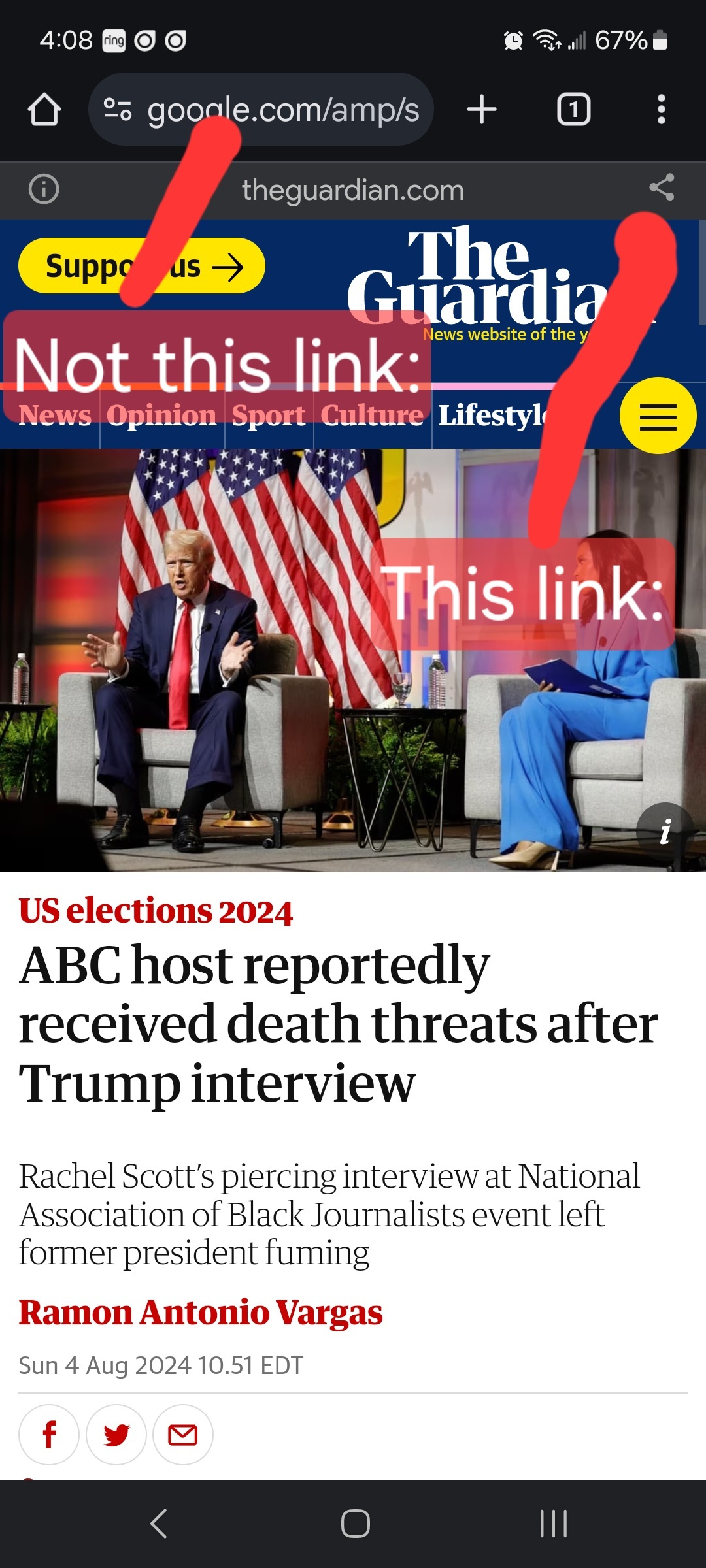
- Articles must be relevant to politics. Links must be to quality and original content. Articles should be worth reading. Clickbait, stub articles, and rehosted or stolen content are not allowed. Check your source for Reliability and Bias here.
- Be civil, No violations of TOS.
It’s OK to say the subject of an article is behaving like a (pejorative, pejorative). It’s NOT OK to say another USER is (pejorative). Strong language is fine, just not directed at other members. Engage in good-faith and with respect! This includes accusing another user of being a bot or paid actor. Trolling is uncivil and is grounds for removal and/or a community ban.
- No memes, trolling, or low-effort comments.
Reposts, misinformation, off-topic, trolling, or offensive. Similarly, if you see posts along these lines, do not engage. Report them, block them, and live a happier life than they do. We see too many slapfights that boil down to "Mom! He's bugging me!" and "I'm not touching you!" Going forward, slapfights will result in removed comments and temp bans to cool off.
- Vote based on comment quality, not agreement. This community aims to foster discussion; please reward people for putting effort into articulating their viewpoint, even if you disagree with it.
- No hate speech, slurs, celebrating death, advocating violence, or abusive language. This will result in a ban. Usernames containing racist, or inappropriate slurs will be banned without warning
We ask that the users report any comment or post that violate the rules, to use critical thinking when reading, posting or commenting. Users that post off-topic spam, advocate violence, have multiple comments or posts removed, weaponize reports or violate the code of conduct will be banned.
All posts and comments will be reviewed on a case-by-case basis. This means that some content that violates the rules may be allowed, while other content that does not violate the rules may be removed. The moderators retain the right to remove any content and ban users.
That's all the rules!
Civic Links
• Register To Vote
• Citizenship Resource Center
• Congressional Awards Program
• Federal Government Agencies
• Library of Congress Legislative Resources
• The White House
• U.S. House of Representatives
• U.S. Senate
Partnered Communities:
• News
• World News
• Business News
• Political Discussion
• Ask Politics
• Military News
• Global Politics
• Moderate Politics
• Progressive Politics
• UK Politics
• Canadian Politics
• Australian Politics
• New Zealand Politics
founded 3 years ago
MODERATORS
A question to add on to yours is: If inflation is defined (simplistically) as too much money in the system chasing too few products, then wouldn't taking money out of the system via taxes have a rate limiting effect on inflation?
Being that if minimum wage increases would an increase on taxes for wealthy citizens slightly offset this increase?
No. That is because of the simplistic definition.
If people have "too much" money, the demand of products will go up. Specially "luxury" products. As that is what people buy when they have "too much" money. Increasing demand increases prices, therefore, inflation.
The same is true if the supply of "luxury" products decrease. For the same reasons.
However, if inflation is due to an increase of "essential" goods' prices, it's trickier. That is because increasing essential prices won't result in a decline of their demand. They are essential, people will stop buying the things they don't need, not the ones they do. Therefore, the demand of "luxury" goods will fall.
Only when people can't afford the essential goods will they stop buying them. Which probably would mean death/emigration. Only then will demand fall, because there's literally less people.
When you tax, it's the same case. People have less money, so demand for "luxury" items will fall.
So technically yes, it would reduce inflation, since there's probably some "luxury" goods in the basket you are using to measure inflation. But it won't actually reduce the price of essential goods, which is what most people would expect from a fall of inflation.
Of course, some fall of demand for "luxury" goods could mean a fall in "essential" goods. For example, a fall in water-gun fights or golf-course watering would mean a fall in demand for water, which is an essential good. Economics is not a simple subject